Reforestation in Mozambique Faces Setbacks from Fires and Insufficient Monitoring
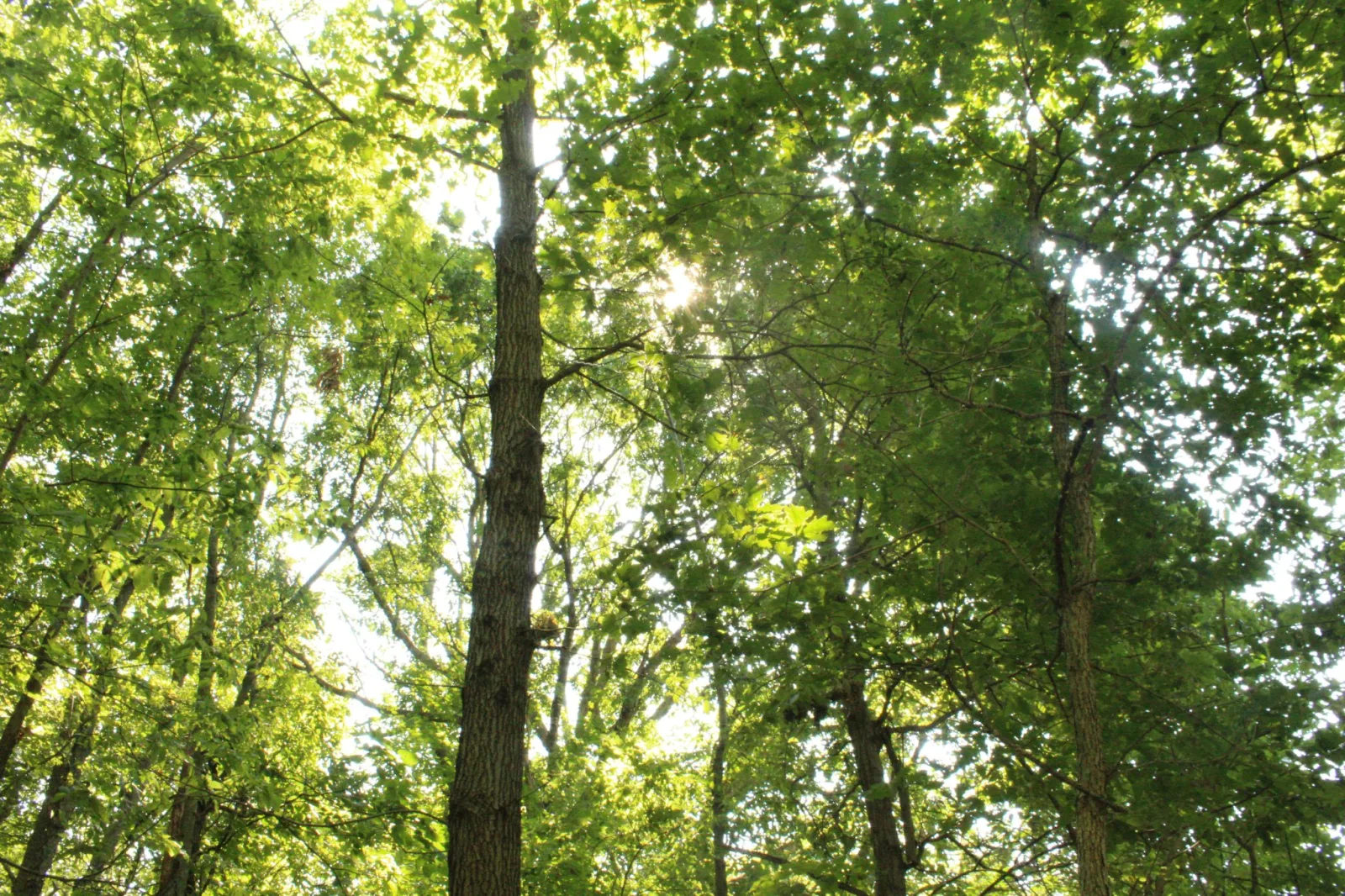
Mozambique's ambitious reforestation efforts are challenged by wildfires and inadequate monitoring, threatening biodiversity and local livelihoods.
Mozambique is grappling with a critical reforestation deficit, with uncontrolled fires and weak monitoring hampering efforts in restoring its forests. In the Tónduè Forest of central Mozambique, 70% of replanted trees succumbed to fires, leading to concerns about the future of the remaining saplings.
Challenges to Reforestation in Zambézia
Zambézia province, housing vital forest areas, faces severe deforestation, losing approximately 1.26 million hectares of forest cover from 2000 to 2024. This represents about 19% of its forested area. Although the government set a target to reforest 1 million hectares by 2030, only 58,000 hectares have been successfully replanted thus far.
Fire Damage and Monitoring Gaps
Fires are not random incidents; they are often set by local communities for agricultural purposes. Following a replanting effort in Tónduè, many young trees were destroyed just a year later, illustrating the urgent need for effective monitoring.
Uilson Malango, a technician with the Mocuba District Service for Economic Activities, reported that saplings faced extreme conditions, with someburned trees now visibly stunted. Survivors can still be found trying to regrow in a challenging environment.
Community Involvement and Economic Pressures
The government has entrusted the Tónduè Forest's management to local communities, but this has not completely resolved issues surrounding fire outbreaks and forest preservation. Residents face economic pressures that often push them to use forest resources unsustainably.
Residents, such as Nonita Maurício, highlighted that the reliance on wood for energy exacerbates deforestation. According to a World Bank report, 80% of households in Mozambique depend on wood or charcoal for cooking, indicating a pressing need for alternative energy sources.
Funding and Community Challenges
Community initiatives for managing forest resources often struggle with a lack of funding and technical support. Although the district has implemented programs to promote sustainable practices, the absence of a robust follow-up leads to disappointing survival rates for newly planted trees.
Florentino Cardoso, director of the SDAE, mentioned that raising community awareness about the importance of forest conservation is crucial. However, funding for these programs is limited, posing significant challenges going forward.
Carbon Credit Programs and Their Shortcomings
In a bid to combat climate change, Zambézia has engaged in carbon credit schemes, yet many local communities have not benefitted due to inadequate documentation and a lack of access to financial resources. The government must address these gaps to ensure equitable access to these funds.
“The communities were not prepared to receive the carbon credit funds due to a lack of identification documents and bank accounts,” said Marcos Sapateiro, director at DPDTA, emphasizing the need for systemic changes.
Path Forward
Addressing the various issues surrounding reforestation, from fire management to community engagement, is essential for Mozambique to meet its environmental goals. Strengthening monitoring efforts and investing in community education could significantly enhance the survival of replanted trees and the health of local ecosystems.