Tropical Forests Face Threat of Extreme Heat and Drought by 2044
A new study reveals that tropical forests could experience severe heat and drought annually by 2044, posing a significant threat to ecosystems and communities.
Recent findings indicate alarming projections for tropical forests, which may soon be confronting severe heat and drought each year by 2044. The research highlights the implications of climate change, setting a vivid picture of what could become the 'new normal' in these vital ecosystems.
The Impact of El Niño and Climate Change
The ongoing El Niño of 2023-2024 has already wreaked havoc on tropical forests, with a staggering 75% of these regions experiencing prolonged periods of extreme heat and drought. Unusual patterns stemming from this climate phenomenon, characterized by warm water in the eastern Pacific, have disrupted typical weather conditions. Some areas, like northern South America and much of Southeast Asia, have seen a notable shift toward hotter and drier conditions.
Although El Niño typically comes with fluctuating weather patterns, this year's event has unfolded against the backdrop of record global temperatures. Its effects—intensified heat and reduced rainfall—have been particularly detrimental for tropical forests.
Research Overview and Findings
The study, set to be published in Earth's Future, involved an analysis of heat and drought data spanning 25 years across nearly 16 million square kilometers of tropical forests. The lead author, Johanna Van Passel, an ecologist from Ghent University, emphasized the interconnectedness of local communities with these ecosystems.
The researchers discovered that the heat and drought experienced during El Niño persisted unusually long—averaging 18 months. Remarkably, 80% of the tropical forests observed recorded noticeably reduced rainfall, with some areas reporting as much as two years of drought. For instance, in Brazil’s Manaus, water levels reached historic lows, marking the most severe drought on record.
Future Projections and Concerns
By analyzing 24 Earth system models, the research team predicted that the extreme weather conditions linked to 2023-2024 could become increasingly common, even in non-El Niño years. Under high-emissions scenarios, the likelihood of these conditions will escalate dramatically, potentially turning into yearly occurrences by 2043.
If carbon neutrality is achieved by 2075, the chances of facing similar heat levels as those seen in 2023 and 2024 will still rise sixfold by the end of the century. This cycle of extreme weather is expected to hinder trees’ ability to sequester carbon, exacerbating the already critical situation.
Effects on Forest Ecosystems and Local Communities
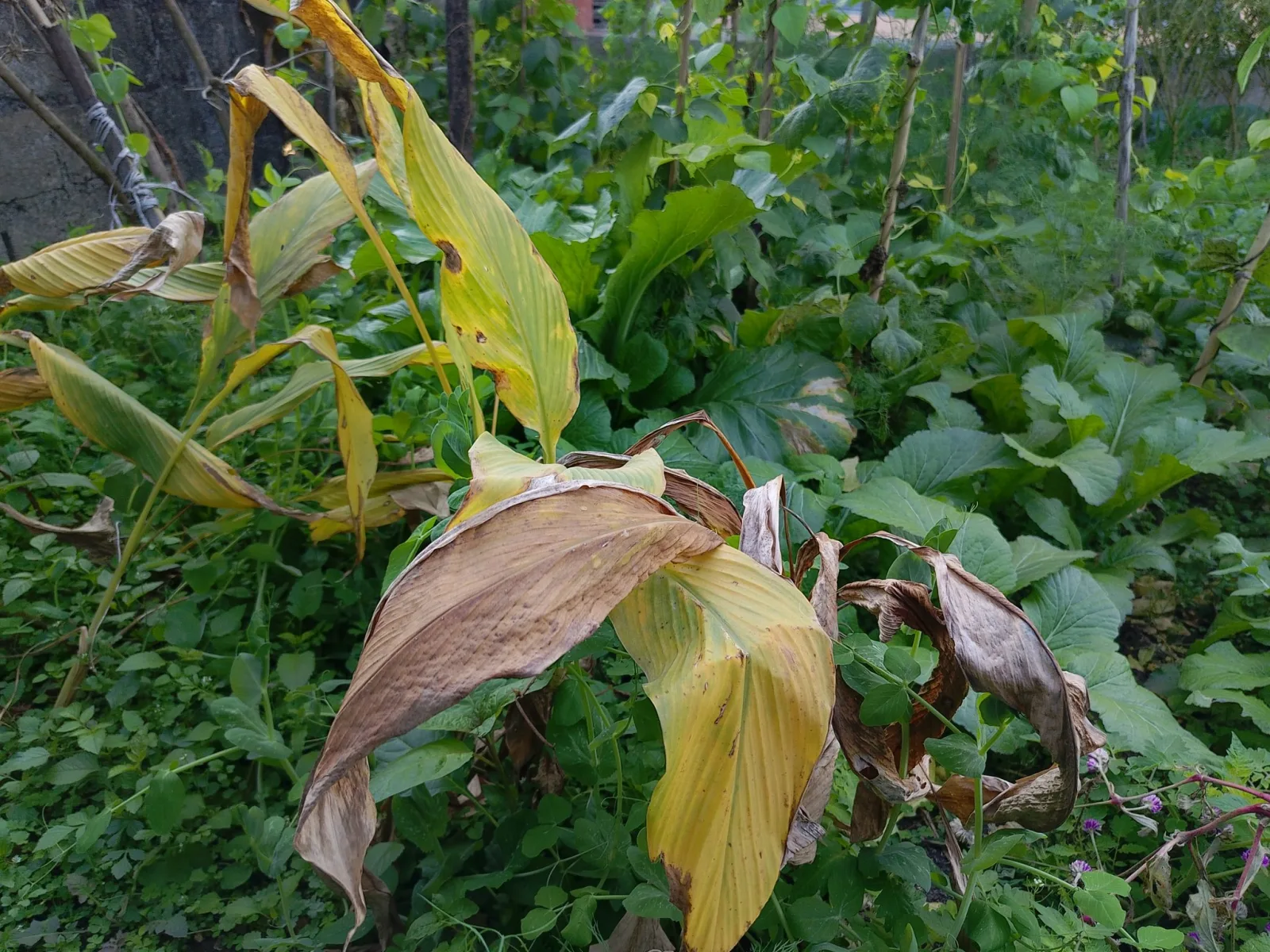
The ramifications extend beyond just the trees. Consequently, frequent heat and drought diminish photosynthesis in stressed trees, as they struggle to regulate their internal conditions. Trees typically release moisture through evapotranspiration to cool down, but drought conditions leave them with little water to spare.
As a result, an alarming feedback loop forms: diminished rain leads to further drought, adversely affecting other areas. This recurrent pattern threatens not only the forests themselves but also the numerous communities that rely on them for their survival.
Van Passel warns about the dire implications, stating, “If the forest suffers, it will cause less rain to fall in other parts, and those forests will also start suffering.” Communities deeply tied to these forests may face food shortages and difficulties accessing essential resources as drought intensifies.
Taking Action for a Hopeful Future
In light of these concerning findings, Van Passel underscores the critical importance of actions that can help mitigate these adverse consequences. Reducing fossil fuel use and enhancing conservation efforts can alter the trajectory of future conditions for tropical forests.
While the future appears challenging, she insists that improvement is achievable through joint efforts: “With every step we can take to decrease global fossil fuel use, the probabilities become better.” The fate of tropical forests and their inhabitants hangs in the balance, making immediate action necessary.