New Art Exhibit Celebrates Colombia's Tropical Dry Forest
A contemporary art exhibition named 'Arrastres' brings awareness to Colombia's tropical dry forest through engaging installations.
Art in Nature
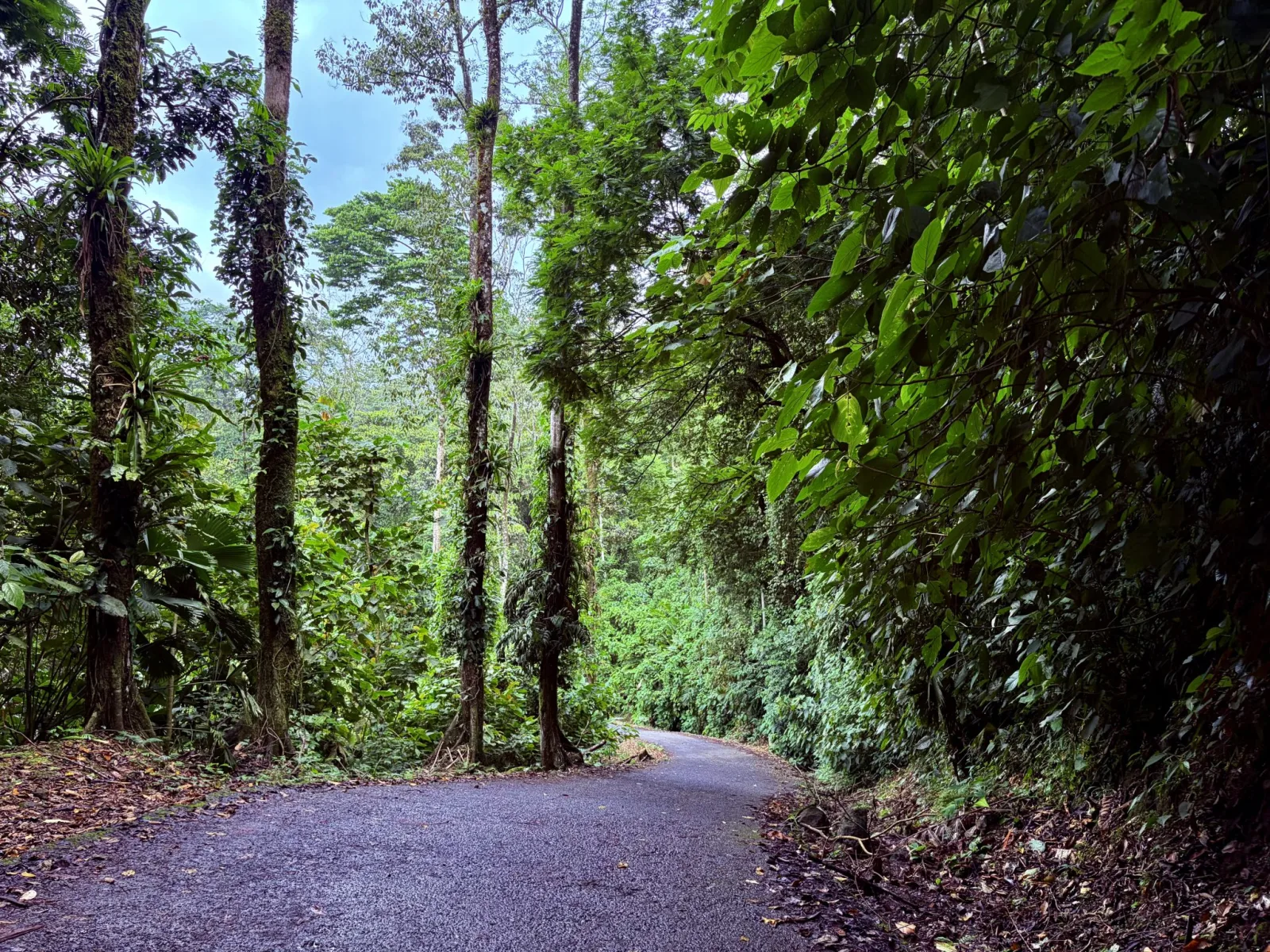
Colombia is set to unveil a groundbreaking contemporary art exhibition in its tropical dry forest, located at the Honda Botanical Garden in Honda, Tolima. Just three hours from Bogota, this eco-friendly event, titled “Arrastres” or “What the River Carries,” marks a significant first for this unique ecosystem.
Highlighting Local Artistry
The exhibition showcases a large installation by Sebastián Gómez Vargas, a talented artist hailing from Bucaramanga. The centerpiece of “Arrastres” is made from seven tons of driftwood retrieved from the Magdalena River, collected by local fishermen from the Pacho Mario and Panchigua communities. This art piece not only reflects the flow of the river but also the cultural ties of the region.
Running from November 1 to December 15, visitors can enjoy the immersive outdoor display. The Honda Botanical Garden, in collaboration with the municipal government and the Cumula Foundation, is presenting this project as a space for learning about environmental issues.
Protecting the Tropical Dry Forest
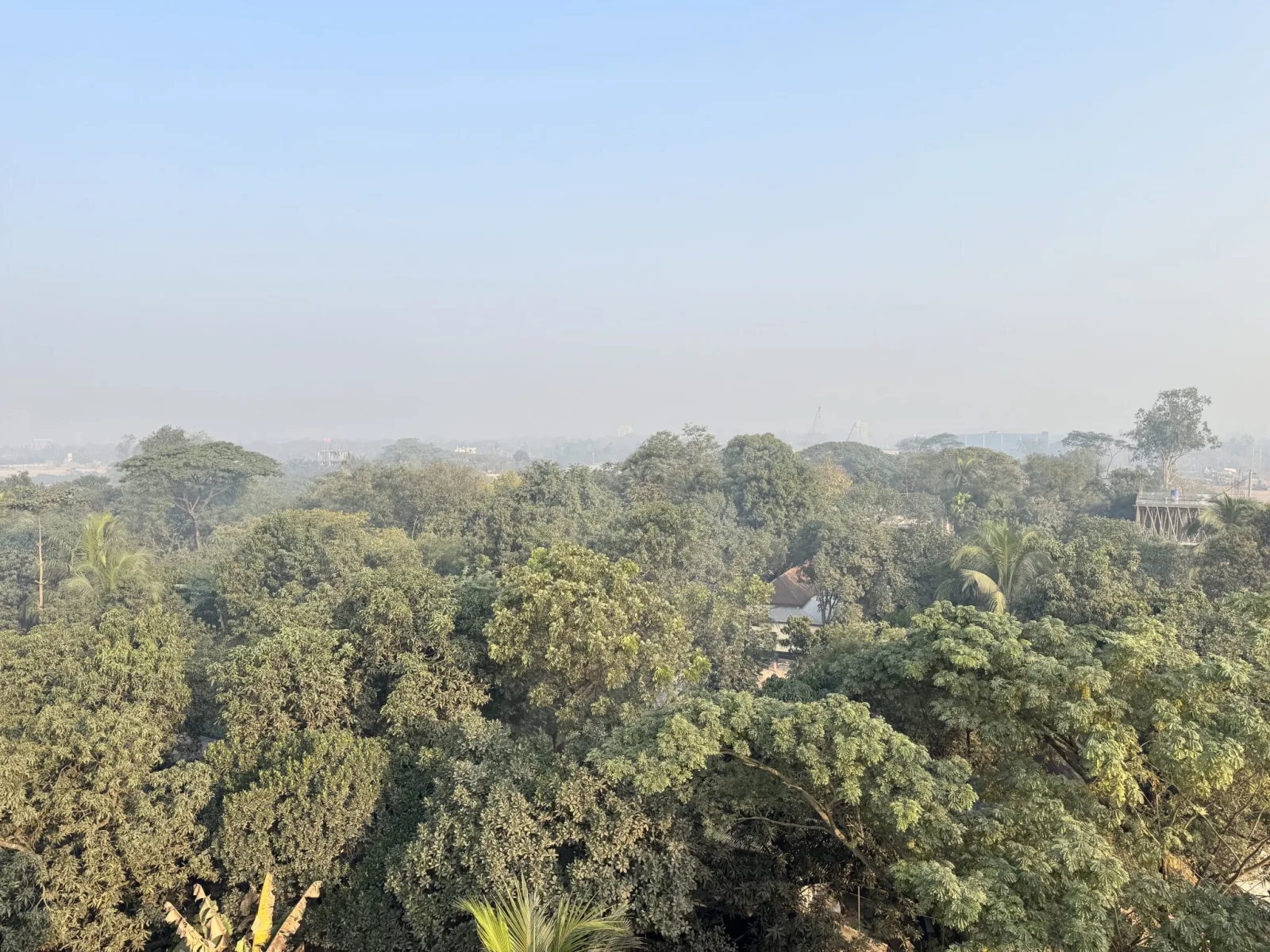
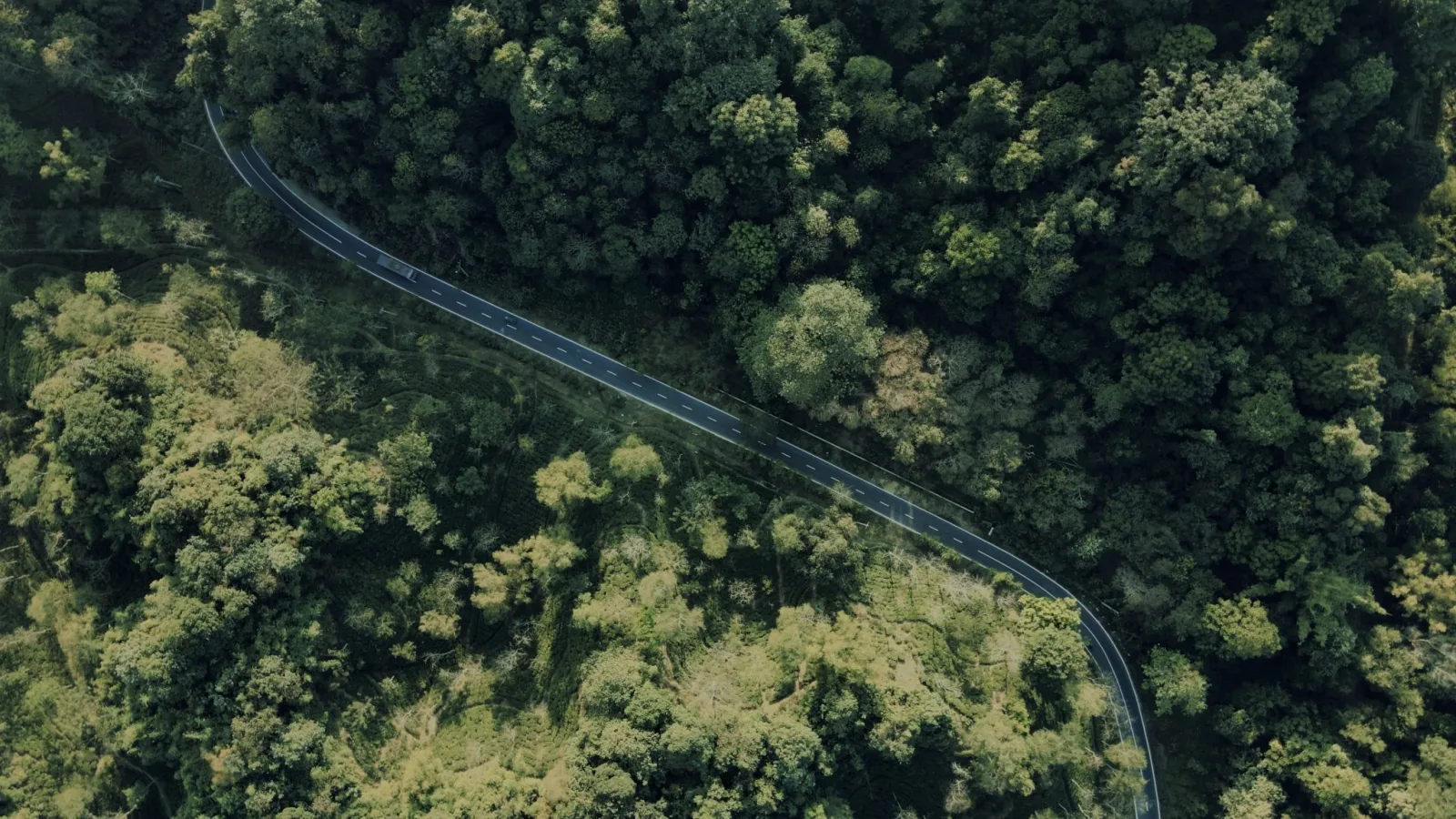
This exhibition shines a light on the tropical dry forest, an ecosystem characterized by long dry seasons and typically found in hot, lowland regions. However, Colombia has lost a significant portion of its original forest cover, retaining only about 8%, according to the Alexander von Humboldt Institute. Of the remaining forests, only 5% is legally protected.
Once occupying over nine million hectares, these forests now host rare plant and animal species, with 87% of their woody plants classified as rare. Experts warn that without intervention, this vital ecosystem could face collapse within the next 50 years, ranking among the least protected areas in Latin America.
Community Initiatives
In response to this environmental crisis, the Cumula Foundation has been working diligently since 2015 to promote conservation efforts in Honda. They secured a five-hectare plot leased from the municipality and built partnerships with various institutions, including the national botanical garden network and the Humboldt Institute. This collaboration enhances their capacity for scientific research and restoration efforts.
Bridging Art and Conservation
“Arrastres” is designed with careful consideration for the surrounding environment, adhering to a strict no-plastic policy. It utilizes earth, wood, and guadua—a local type of bamboo—while incorporating traditional construction techniques from the Magdalena Medio region.
Before arriving in Honda, the installation was showcased for two months at the Trilladora Guali during La Magdalena Fest. Gómez Vargas describes the exhibit as a transformation of materials reclaimed from the river into symbols of the region's cultural and environmental narratives.
Within the forest setting, the artwork becomes even more poignant. The juxtaposition of river debris amid the trees highlights the importance of seasonal rainfall and the relationship between the local fishermen’s labor and artistic expression; their driftwood collection becomes part of the story rather than a mere background detail.
Fostering Awareness
Colombia faces the challenge of engaging citizens with an ecosystem that is often overlooked. While the display is only available for a brief six-week window, it offers a unique opportunity for audiences to connect with and learn about the tropical dry forest through an interactive experience. The hope is that the insights gained through this experience will resonate long after the exhibition concludes.