Funding the Preservation of Tropical Forests: A New Approach
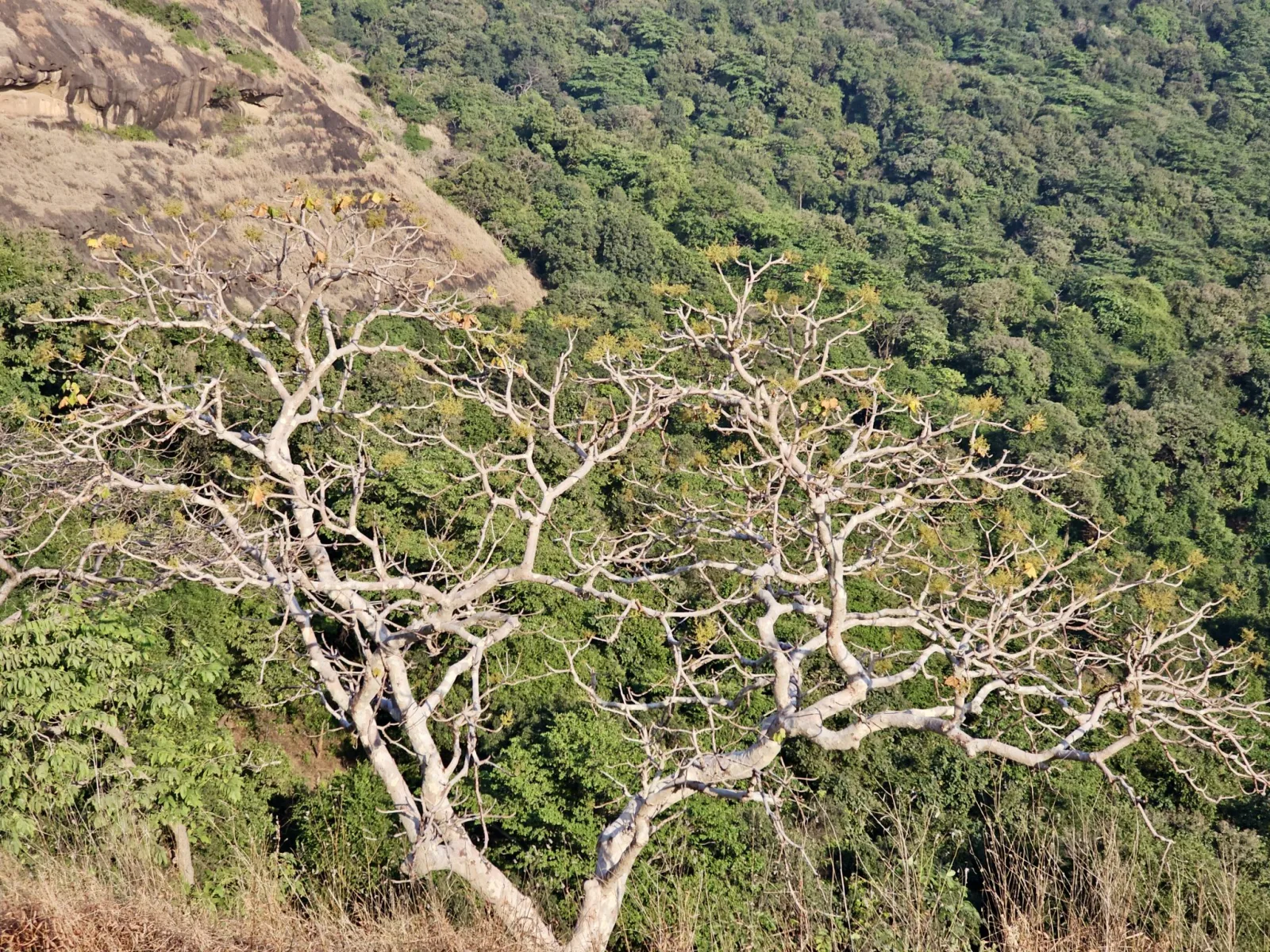
Exploring the economic strategies needed to protect tropical forests while benefiting local communities.
Tropical forests provide vital climate, water, and biodiversity benefits that are essential for the entire planet. However, remarkably little of the monetary value generated by these ecosystems actually reaches the countries and communities that work to protect them. In response to this disparity, the Tropical Forest Forever Facility (TFFF) was launched during the recent United Nations Climate Change Conference (COP30) in Belém to better align economic incentives for conservation.
The Value of Tropical Forests
For too long, the destructive path of deforestation has been more financially appealing than conservation efforts. Tropical forests offer crucial resources that not only support local survival but also benefit global ecological health.
For instance, the Amazon Rainforest recycles almost half of its rainfall and plays a critical role in influencing rainfall patterns across South America and even beyond. The Congo Basin, home to extensive peatlands, stores around 30 billion tons of carbon, making it a key carbon reserve on Earth. Additionally, unique plant and animal life flourishes in regions like Borneo, showcasing biodiversity found nowhere else on the planet.
Such forests also sustain the livelihoods of millions, including Indigenous populations whose traditional practices are integral to effective stewardship. They are essential for local food and water security and sustain diverse cultural values.
Economic Challenges to Conservation
Despite the acknowledged significance of these ecosystems, global investment in their preservation remains insufficient. Tropical regions face a persistent economic barrier where the immediate financial gain from activities like logging or agriculture often outweighs the potential benefits of maintaining forest cover.
In the short term, clearing a hectare of forest can result in more income than protecting it, creating unsustainable pressure on vital areas. The Amazon is heavily impacted by cattle ranching and agriculture, while both small- and large-scale farms contribute to forest loss in the Congo Basin. Similarly, industrial plantations are reshaping landscapes in Southeast Asia.
Alarmingly, a report from the UN Sustainable Development Solutions Network indicates that global public financial support falls short of what is necessary for effective tropical forest conservation, amidst intensifying competition for dwindling development aid.
While grants and concessional loans are essential for enhancing institutional frameworks, safeguarding rights, and initiating recovery efforts for degraded lands, relying solely on traditional financing methods won’t bridge the gap. It’s crucial that public resources are not solely dedicated to insulating private investors from risk.
The Role of the Tropical Forest Forever Facility
The TFFF aims to provide long-term financial incentives for tropical countries that prioritize forest preservation and meet specific performance standards. By integrating these economic incentives, countries may see a shift in priorities as they stand to lose about US$400 for every hectare of forest cleared. Conversely, maintaining forested areas boosts their financial remuneration.
The framework established by the TFFF commits to allocating at least 20 percent of funds to Indigenous Peoples and Local Communities, recognizing their pivotal role in forest protection. The challenge exists in ensuring that these funds are reliably directed to those most engaged in conservation efforts and enhancing local governance.
However, the TFFF is not a single-handed remedy for the challenges of forest conservation finance. It must work alongside a combination of public and private investment, domestic budgets, concessional loans, grants, and innovative financial approaches. Moreover, no financial tool can sufficiently counteract incentives that promote deforestation without policy change.
The TFFF's success hinges upon not only mobilizing sufficient financial resources to facilitate these global commitments but also assisting governments in developing robust policies aimed at safeguarding forests. This entails enhancing land rights, improving environmental governance, reversing harmful subsidies, and creating economically viable opportunities that coexist harmoniously with ecosystems.
Moving Forward
Recognition of tropical forests' immense value has been pervasive, yet systematic investment in their conservation has lagged for decades. As we reflect on our collective responsibility towards these irreplaceable ecosystems, the real challenge becomes utilizing all available resources, including the TFFF, to catalyze meaningful actions that protect our forests for future generations.
Leading scientists and policymakers, including Carlos Nobre from the University of São Paulo and Lee White, former Gabonese Minister of Water, Forests, and Environment, emphasize the necessity of turning promises into tangible results for the preservation of tropical forests.