Tropical Forests Face Annual Heat and Drought by 2044
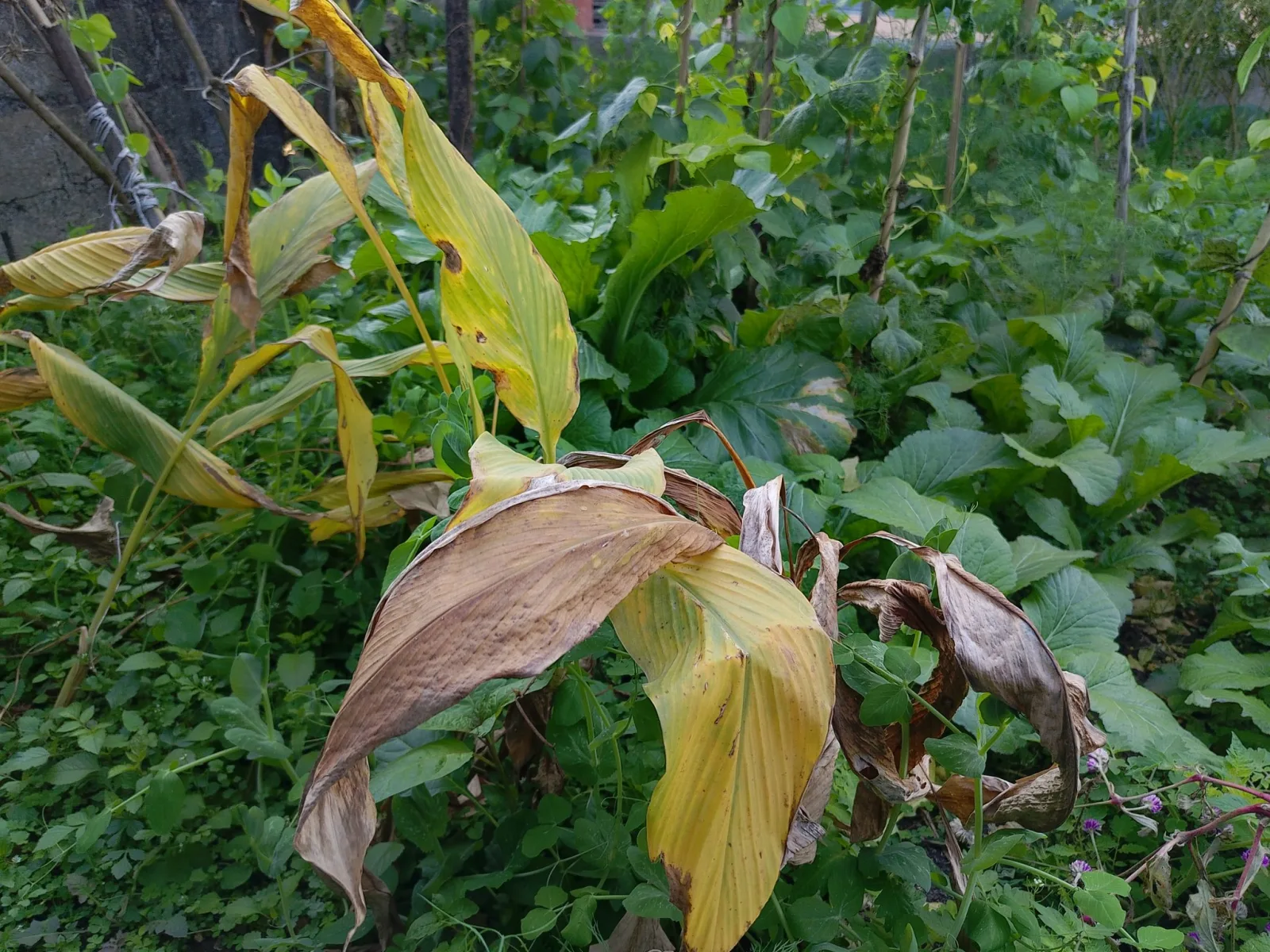
A new study warns that intensified heat and drought may become commonplace in tropical forests by 2044, reshaping ecosystems and communities.
A recent study highlights the alarming possibility that the extreme heat and drought experienced in tropical forests during the 2023-24 El Niño could become a regular occurrence by 2044. This shift poses serious threats to ecosystems and the communities that depend on them.
Impact of 2023-24 El Niño
The El Niño phenomenon, characterized by unusually warm waters in the eastern Pacific, brings significant weather changes worldwide. While it can generate heavy rains in certain regions like Chile and Argentina, it typically leads to hotter and drier conditions in places such as northern South America and Southeast Asia. The recent El Niño event particularly amplified heat and drought, coinciding with the hottest global temperatures recorded.
Study Findings
The research, led by ecologist Johanna Van Passel from Ghent University, draws on an analysis of twelve heat and drought observation datasets spanning the last 25 years, encompassing nearly 16 million square kilometers of tropical forest. The findings indicated that an overwhelming 75% of tropical forests experienced simultaneous extreme heat and drought for about six months.
During this period, an average of 80% of the forests recorded significantly reduced rainfall, with some areas of the Amazon facing drought conditions lasting up to two years. An astonishing revelation was that river levels in Brazil's Manaus dropped to historic lows, disrupting transportation and trade.
Future Projections
Using 24 Earth system models across several emissions scenarios, the researchers projected that even under moderate emissions, similar extreme conditions could become an annual reality for tropical forests by 2043. A delay in achieving carbon neutrality until 2075 could escalate these annual temperatures sixfold by 2100.
In contrast, while drought frequency may decrease in parts of Asia, the Amazon could experience droughts similar to the 2023-24 event as much as nine times more frequently under high-emission scenarios.
Consequences for Forest Health
These shifting conditions threaten the health of trees, as drought forces them to close their stomata to conserve water, subsequently hindering their ability to absorb necessary carbon dioxide. Moreover, heat can interfere with photosynthesis and evapotranspiration processes, crucial for maintaining forest ecosystems. As trees face the dual pressures of heat and drought, their survival is increasingly at risk.
Van Passel noted that these processes create a destructive feedback loop: reduced evapotranspiration can lead to less rainfall, further stressing trees and perpetuating the cycle.
Impact on Local Communities
The consequences of ecological degradation extend beyond trees, severely affecting human communities reliant on forests for food and livelihood. During the extreme conditions of 2023-24, residents found themselves cut off from critical resources, struggling to access food due to low river levels.
“Without drastic measures to reduce fossil fuel usage, the future looks daunting,” Van Passel stated. “However, we can collectively work towards lessening the impacts.”
This study serves as a wake-up call regarding the urgent need to address climate change effects on our planet's tropical forests, illustrating the interconnected nature of environmental and human health.
For those interested in sustainability and conservation efforts, the full study can be accessed in the journal Earth's Future.