Understanding Our Impact on Climate Change at COP31
A Singapore youth delegate shares insights gained from attending COP31 in Turkey as part of efforts to tackle climate change.
As co-founder of The Interchange, a social enterprise addressing Singapore's waste crisis, I often witness the impact waste has on our environment. Located near a dumpster that frequently operates to crush discarded items, the issue of waste is a daily reality for us.
That's why I'm attending COP31 in Antalya, Turkey, from November 9 to 20, as a youth delegate representing Singapore. This annual climate conference, officially known as the UN's Conference of the Parties, gathers nations to negotiate collective measures for combating climate change, alongside businesses and civil society groups sharing innovative solutions.
Why COP31 Matters
Even though I know that COP31 won't directly resolve the waste crisis I see daily, I’m eager to learn how international decisions can ripple down to local initiatives like ours. Waste management is directly tied to climate change; how we create, consume, and handle materials significantly contributes to emissions.
At The Interchange, we aim to reduce waste by both upcycling materials into desirable products and conducting workshops that empower others to do the same. Yet, I often wonder how impactful we can truly be on a global stage filled with complex negotiations and conflicting interests.
Learning and Sharing at COP31
Some may question the worth of attending with such daunting political challenges. However, it is precisely these challenges that make COP essential. Climate change knows no borders, and no country can fight this battle alone. As a low-lying nation facing the imminent threats of rising sea levels and extreme heat, it's vital for Singapore to have a voice in these critical discussions.
My goal at COP31 is twofold: to deepen my understanding of climate negotiations and to absorb insights from other social enterprises and stakeholders. I want to discover how these conversations can drive waste management solutions internationally and learn how we can align our local initiatives with the broader climate agenda.
Finding Solutions in the Circular Economy
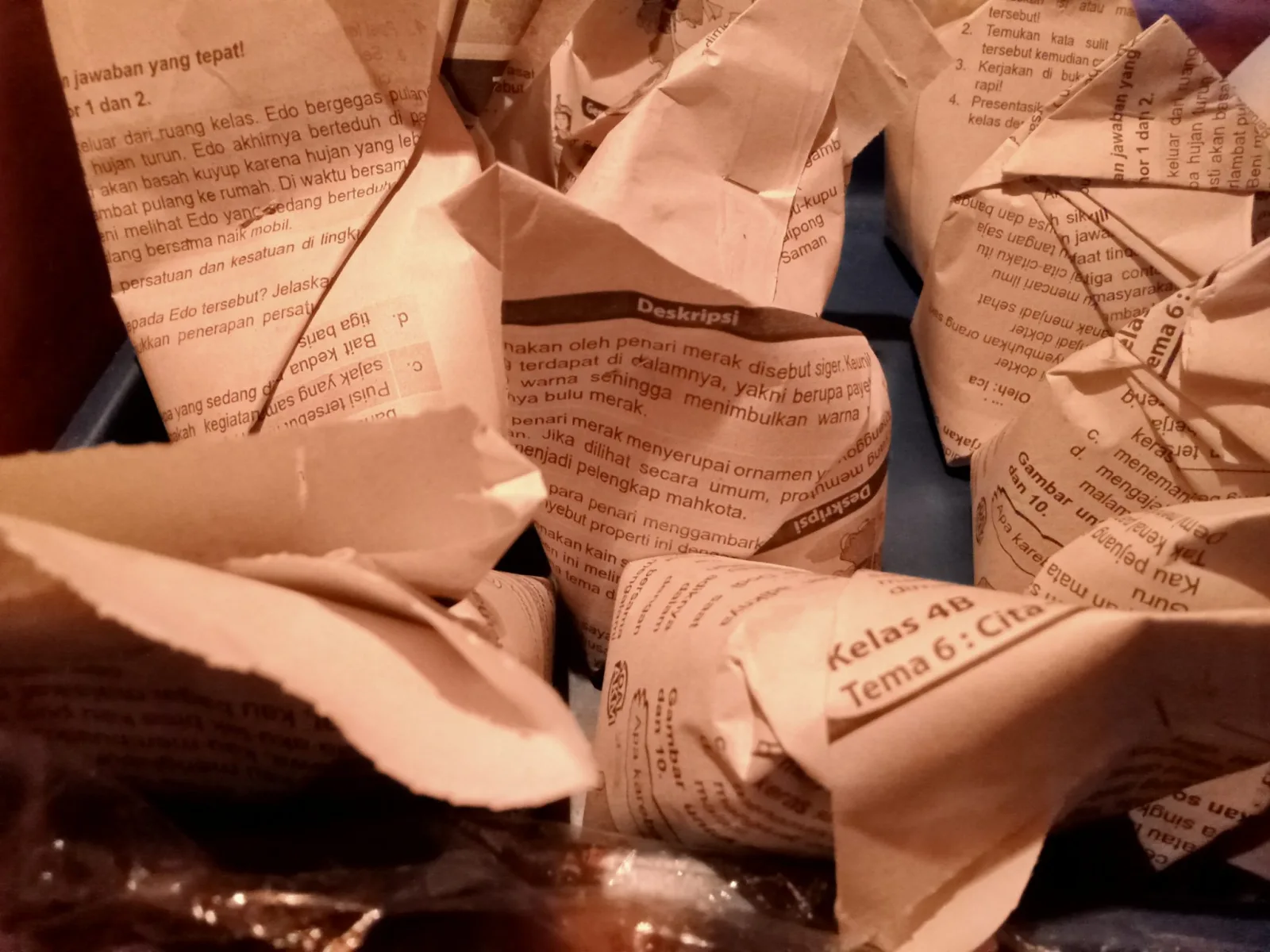
Our approach at The Interchange revolves around research, design, and fabrication using materials often overlooked, like rice bags and drink cartons, neither of which fits neatly into existing recycling frameworks. For example, when we created a product out of rice bags, the initial demand exceeded supply, demonstrating that there is much potential in re-envisioning what we throw away.
We have actively run 38 workshops engaging around 400 participants in sustainability practices this year alone. These efforts helped divert approximately 120kg of waste from landfills. I aim to learn from COP31 how other countries encourage grassroots innovation, showing that individual actions can spark a larger movement toward sustainability.
Adapting to Climate Reality
My dedication to climate resilience extends beyond waste management; I’m also involved in community farming. At our urban farming site, we cultivate crops and care for chickens. Rising temperatures have forced us to experiment with different approaches to mitigate heat stress — a challenge all too real in our changing climate.
Statistics show Singapore’s average temperature has risen by about 0.24°C per decade since 1984. Projections say we could see significant increases in extreme heat days by 2100. Therefore, it is crucial for us to explore how other nations tackle food security and adaptation strategies under similar conditions.
At COP31, I hope to see discussions centered on funding adaptation efforts that prioritize communities most vulnerable to climate effects. It’s essential that these solutions reach those who need them most.
Bridging Local and Global Efforts
Singapore is developing its first National Adaptation Plan, aiming to address local needs for resilience amidst climate threats. I'm eager to explore how these adaptation strategies can integrate waste management practices and contribute to international commitments for climate action.
My aspirations for COP31 focus on finding a place for our work within the global context of climate action. I want to draw connections from what I learn, which can enhance our approach to sustainability in Singapore.
While COP31's outcomes will only be headlines for a moment, the ongoing conversations and actions that follow are what matter most. After the conference concludes, the pressing issues like waste and food security will remain. I look forward to returning home with insights that can empower our community initiatives at The Interchange and inspire more climate-conscious practices among Singaporeans.
It's not about changing the world on my own, but rather understanding how our individual efforts contribute to collective progress. With renewed purpose, I'll return to the task of repurposing materials, nurturing crops, and engaging our community in sustainable actions.