Challenges in Reforestation Efforts in the Southeastern US
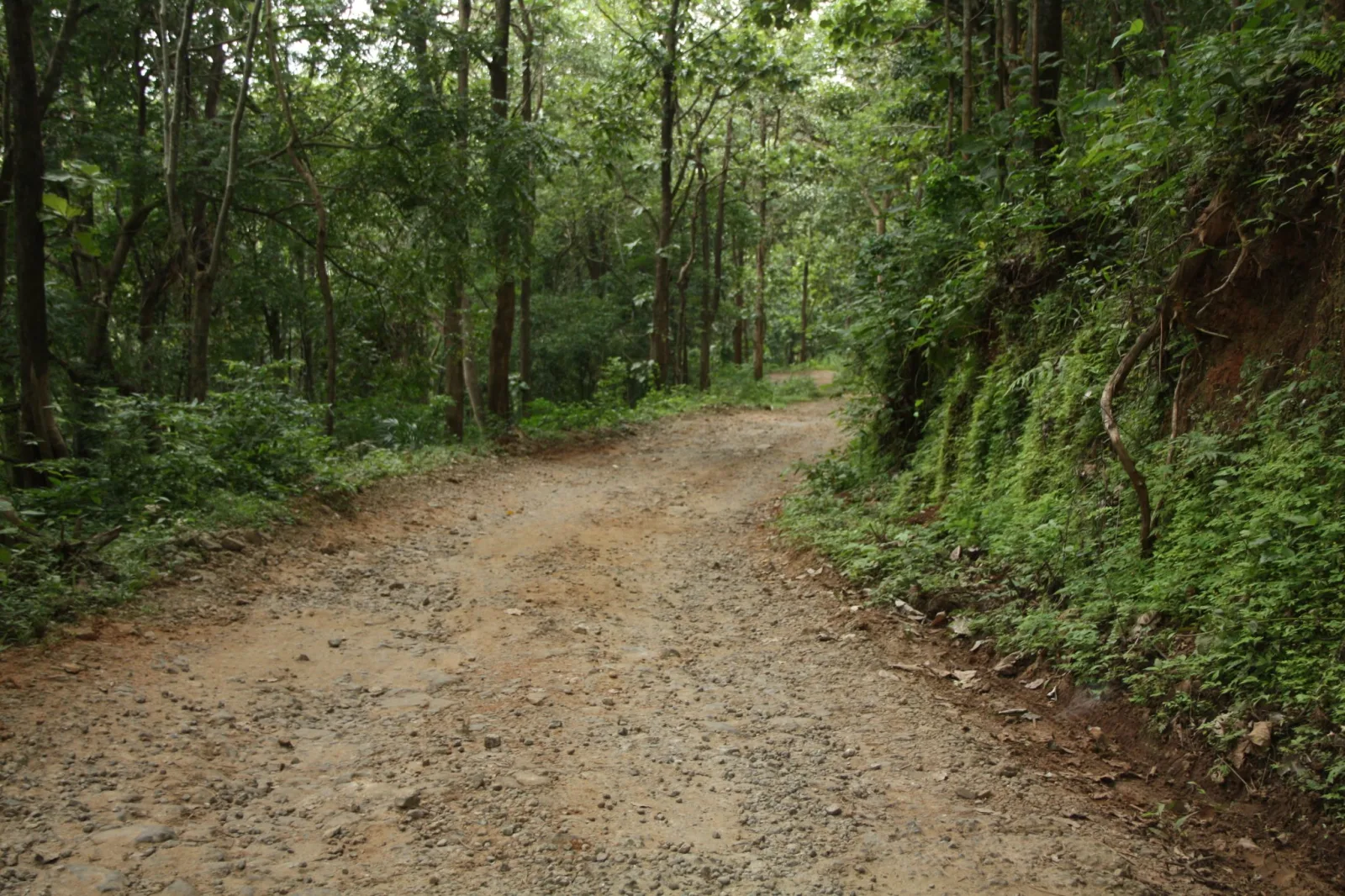
A study reveals that tree planting initiatives in the Southeastern US are not meeting national reforestation targets.
Reforestation is often hailed as a viable solution for combating climate change, yet a recent study indicates that efforts in the Southeastern United States are falling significantly short of meeting necessary targets.
Current Reforestation Efforts
Researchers from North Carolina State University, in collaboration with the USDA Forest Service, assessed the effectiveness of federal and state incentive programs for tree planting across ten Southeastern states. Their findings reveal that these long-standing programs support approximately 350,000 acres of new tree growth each year, which equates to about 141,700 hectares. The cost to the government for these initiatives averages $131 per acre for state programs, while federal efforts come in at $165 per acre.
While this level of planting can contribute to modest goals—such as the U.S. chapter's commitment of 2.8 million acres under the 1t.org initiative—the current rates would require centuries to achieve more ambitious targets like the World Resources Institute's aim of restoring 330 million acres by 2040.
Assessing Feasibility
The study, published in the journal Frontiers in Forests and Global Change, shifts the focus from simply counting trees to examining the institutional capacity available to meet reforestation goals. The authors note that while several research teams have previously analyzed the area needed for effective carbon capture from forests, they had not evaluated the practical elements of scaling up the necessary programs for tree planting.
The analysis took a comprehensive look at various programs, including major and minor state initiatives, as well as three federal Farm Bill programs commonly utilized by landowners: the Environmental Quality Incentives Program (EQIP), the Conservation Stewardship Program (CSP), and the Conservation Reserve Program (CRP).
Insights from Data Compilation
By compiling extensive data, the research team identified that annual federal programs alone are responsible for planting about 210,838 acres, with EQIP contributing nearly 160,000 acres. State programs account for an additional 138,401 acres, meaning the total planting from government assistance is around 349,239 acres annually, spending close to $42 million across the region.
The southeastern U.S. is uniquely positioned for reforestation efforts, housing about 21 percent of the nation’s forests and producing roughly 80 percent of the country’s forest seedlings. This region primarily focuses on conifer species, a reflection of its established pine-dominant forestry sector.
Examining the Gaps
When evaluating their findings against established benchmarks, the gap becomes evident. Between 2025 and 2030, the existing programs could facilitate planting of about 1.75 million acres, which would only fulfill about 60 percent of the current 1t.org pledge. Even with further projection to 2040, these programs could reach just 5.24 million acres, resulting in a shortfall against higher benchmarks.
The implications for funding are significant. If Southeastern programs were solely responsible for meeting national goals, there would need to be a staggering increase in annual planting capacity—60 percent for 1t.org and as high as 11,216 percent for overarching goals. Furthermore, the financial commitment would necessitate additional federal investments ranging from $213 million to $2.1 billion by 2040. Historical funding levels indicate that these figures would represent an unprecedented rise in financial backing.
Conclusion: Path Forward
Despite showing promise, the present incentive programs in the southeastern U.S. lack the capacity to meet the lofty goals set forth in national and international agreements. Achieving these ambitious targets may need a coordinated effort that includes public reforestation initiatives, private sector participation, and significant increases in funding and operational capacity.
In conclusion, while existing programs provide a framework for supporting tree planting endeavors, substantial investment, increased administrative efficiency, and expanded stakeholder participation are essential for bridging the current gaps in reforestation efforts.