How Intensive Plantations Impact Tropical Biodiversity
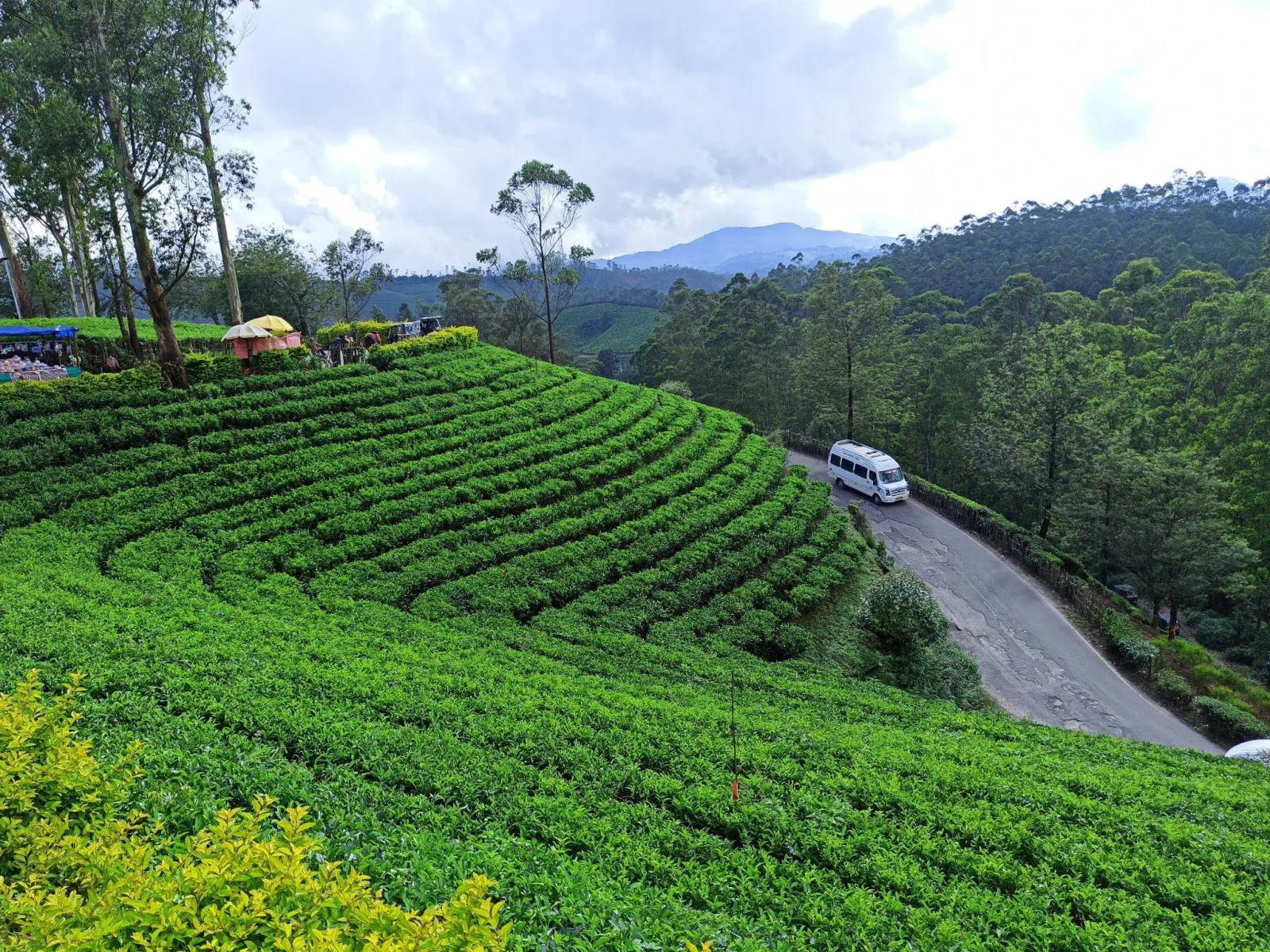
A study reveals the complex effects of intensive agriculture on tropical ecosystems, highlighting significant biodiversity loss.
Intensive agricultural practices in tropical regions are leading to a concerning decrease in biodiversity, yet they do not create uniform ecological communities. A recent observational study conducted by researchers from the University of Göttingen sheds light on this issue, particularly in the context of the Indonesian island of Sumatra.
Examining Tropical Ecosystems
Researchers tracked biodiversity across 32 plots in Sumatra's lowland rainforests, comparing areas with varying levels of human activity: undisturbed rainforest, traditionally managed rubber agroforests, and intensive monoculture plantations of rubber and oil palm.
In total, the team surveyed roughly 40,000 species across 24 taxonomic groups, covering plants, birds, bats, insects, and soil microorganisms.
Significant Loss of Species
Converting rainforest into intensive farmland sharply reduces the number of species an area can support. In monoculture plots, local biodiversity averaged about 50 percent less than that of intact rainforests, and overall diversity across the landscape saw a remarkable decline of nearly 78 percent.
Dr. Nathaly Guerrero-Ramírez, a postdoctoral researcher involved in the study, noted, “The decline in species numbers does not automatically result in less diversity in community structures within monocultures.” This indicates a more complex interaction between species loss and ecological similarity than previously understood.
Diverse Community Structures Persist
Even with the apparent loss of species, individual monoculture plots displayed notable differences in their biological communities. Dr. Guerrero-Ramírez emphasized that sites with fewer species often contained subsets of the species found in richer areas. Therefore, the differences among communities may obscure an overarching simplification of biodiversity.
Professor Holger Kreft, who heads the research group, further explained the implications for conservation. “To protect these environments, we need to consider how species are distributed across entire landscapes rather than focusing solely on individual plots or protected areas.”
The Need for Holistic Conservation Strategies
The authors stress that effective conservation strategies must account for entire landscapes and the diverse communities that inhabit them. The study's results suggest that different organisms respond variably to intensive agricultural practices. While biodiversity remains threatened globally, the ecological impact is not uniform across all species or communities.
Indonesian and German researchers carried out the study through the Collaborative Research Centre EFForTS, a joint initiative examining how converting tropical rainforests affects local ecosystems and economies. Their findings point to practical ways to protect wildlife and plant diversity as farming continues to expand.
To sustain tropical ecosystems, it is imperative to develop strategies that consider the full spectrum of biodiversity across varied habitats. The results underscore a pressing need for a broader ecological perspective in addressing biodiversity loss caused by intensive agricultural practices.