Discovering the Amazon Rainforest's Deadliest Venomous Creatures
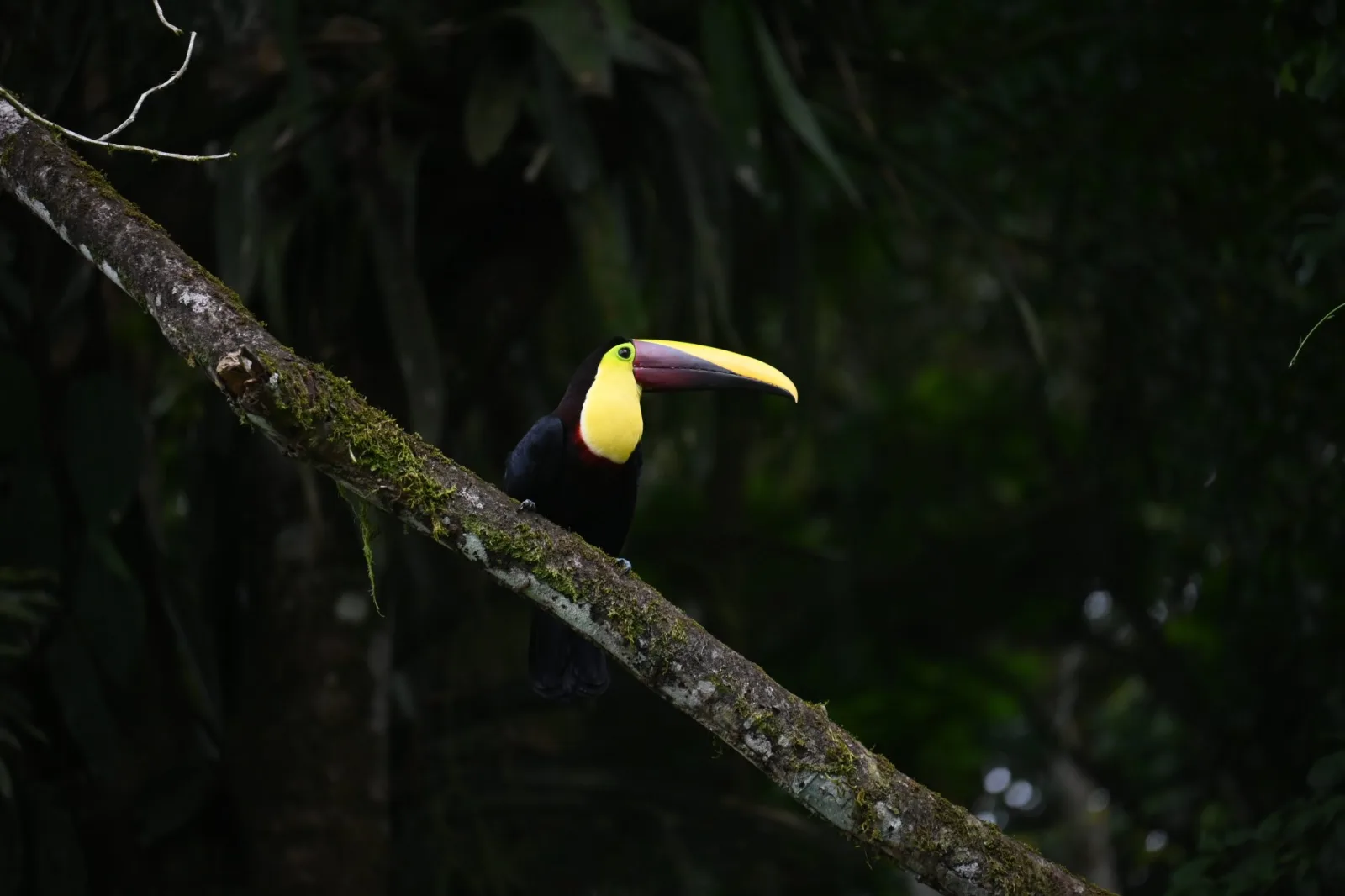
Explore the fascinating world of venomous creatures that inhabit the Amazon Rainforest, from lethal spiders to vibrant frogs.
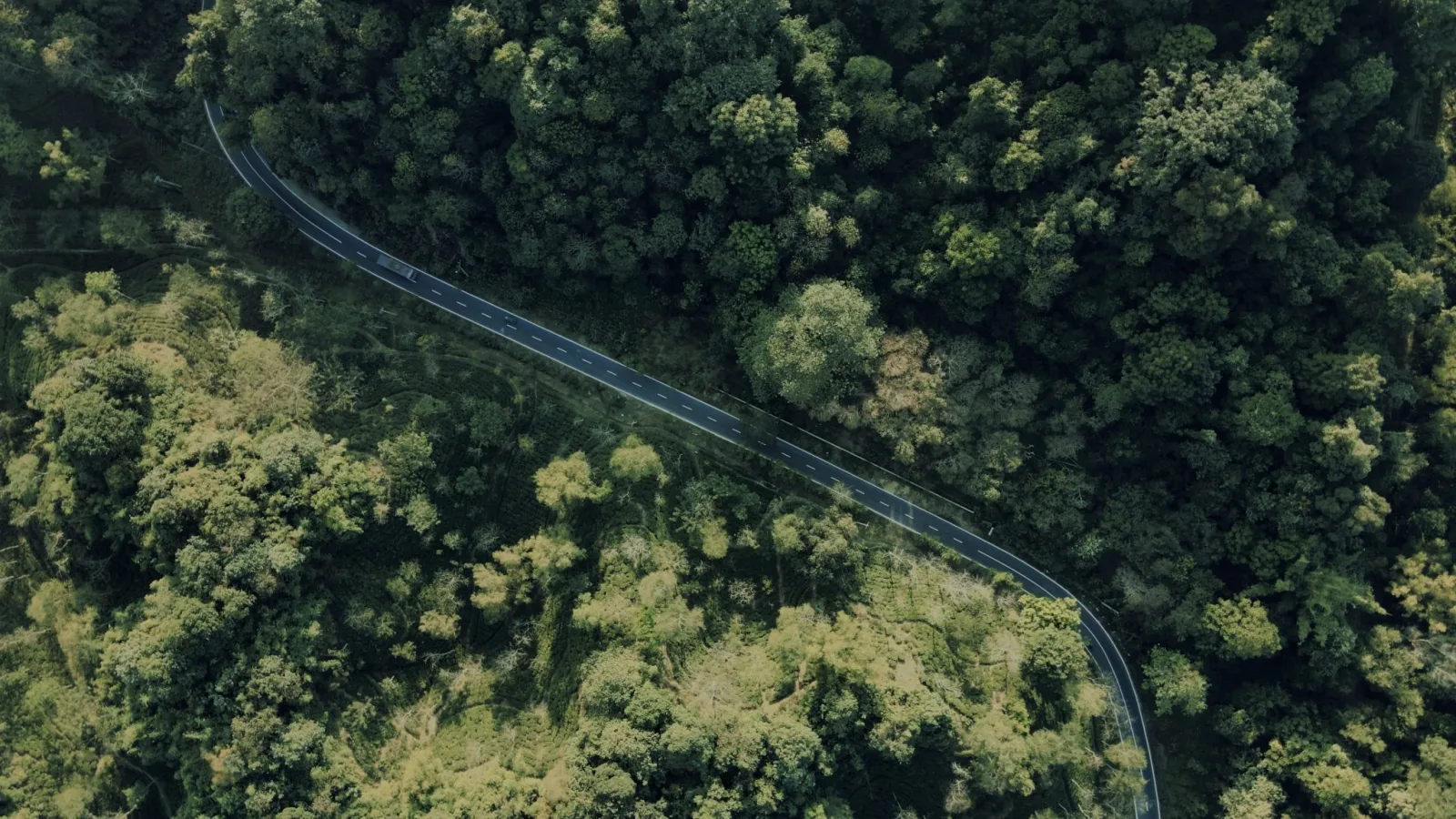
The Amazon Rainforest is not just a sanctuary of rich biodiversity; it’s also home to some of the most venomous creatures on the planet. As you venture into this verdant wilderness, prepare to encounter unique species that possess potent venom, each adapted perfectly to their environment. This journey will peel back the layers of these enigmatic beings and shed light on their lethal capabilities.
Brazilian Wandering Spider: The Neurotoxic Terror
One of the most feared inhabitants of the Amazon, the Brazilian wandering spider roams the forest floor with a notorious reputation. Its venom, which acts on the nervous system, can induce severe pain, paralysis, and in dire circumstances, may result in death without medical intervention. Thankfully, advancements in antivenom have drastically reduced fatality rates.
Fer-de-Lance Snake: The Silent Killer
The Fer-de-Lance is a fearsome pit viper known for its stealth. This snake’s venom is among the most potent, capable of causing extensive tissue damage and internal bleeding. Its effective camouflage allows it to blend into its surroundings, making it a lurking threat to unsuspecting animals and humans alike.
Green Anaconda: Greatness in Size
While the Green Anaconda is not venomous per se, its sheer size and strength earn it a mention among the most dangerous creatures of the Amazon. Capable of squeezing the life out of large prey, this mighty snake is an emblem of raw power in the rainforest’s waterways.
Amazonian Giant Centipede: The Painful Predator
Stretching up to 12 inches long, the Amazonian giant centipede is both a remarkable and terrifying creature. Its venom can incapacitate small mammals and birds and inflicts excruciating pain on humans. While bites are rarely fatal, they serve as a reminder of the impressive potency of invertebrate toxins.
Poison Dart Frog: Nature’s Colorful Assassin
With their striking colors, poison dart frogs may seem harmless, but their vibrant skin is laced with potent alkaloid toxins that can be deadly. These toxins originate from their diet, highlighting the fascinating symbiosis between the frogs and their environment.
Bullet Ant: The Painful Stinger
The Bullet Ant's sting is famously excruciating, often compared to the sensation of being shot. This relentless ant delivers a neurotoxin that can incapacitate larger animals for an extended period. Despite their fearsome sting, scientific interest in their venom is growing due to potential medicinal benefits.
Bushmaster Snake: The Giant Viper
The largest viper in the Americas, the Bushmaster snake casts a formidable shadow in the rainforest. Its venom causes severe hemorrhaging and can be life-threatening if not treated quickly. Known for its nocturnal behavior, this creature often operates unnoticed—making it a true ghost of the jungle.
Brazilian Jewel Tarantula: The Beautiful Architect
This stunning tarantula is not only visually striking with its iridescent body but also skilled at weaving silk structures within its environment. Although its bite can cause discomfort, it is not as lethal as other venomous species, showcasing a balance between beauty and danger.
Coral Snake: The Deceptive Mimic
The Coral Snake is renowned for its vivid coloration and venom that can send humans into respiratory failure. Its attractive bands often lead to confusion with non-venomous species that mimic its appearance, underscoring the delicate balance of survival in the Amazon.
A Frightening Presence: Amazonian Pit Vipers
Several species of Pit Vipers inhabit the Amazon, utilizing their heat-sensing abilities to hunt effectively in darkness. Their varied venom can inflict significant damage, and timely medical treatment is crucial to survival.
Tales of the Golden Lancehead Viper
Primarily found on Brazil’s Snake Island, the Golden Lancehead Viper has gained notoriety for its destructive venom, which can digest tissue around a bite site. Research on its venom is ongoing, and it holds promise for future medical breakthroughs.
The Harpy Eagle: A Majestic Predator
Though not venomous, the Harpy Eagle reigns as an apex predator in the rainforest. Capable of catching monkeys and sloths, this magnificent bird exemplifies the delicate balance of predator and prey in the ecosystem.
Conclusion: A Web of Life
The Amazon Rainforest is a realm of wonders, where venomous creatures play essential roles in maintaining ecological balance. While these beings may evoke fear, their unique venoms also provide valuable insights into biology and potential medical innovations. As we explore this vibrant jungle, we discover a captivating narrative of life, survival, and interconnection.