The Impact of Edge Effects on Biomass in West African Forests
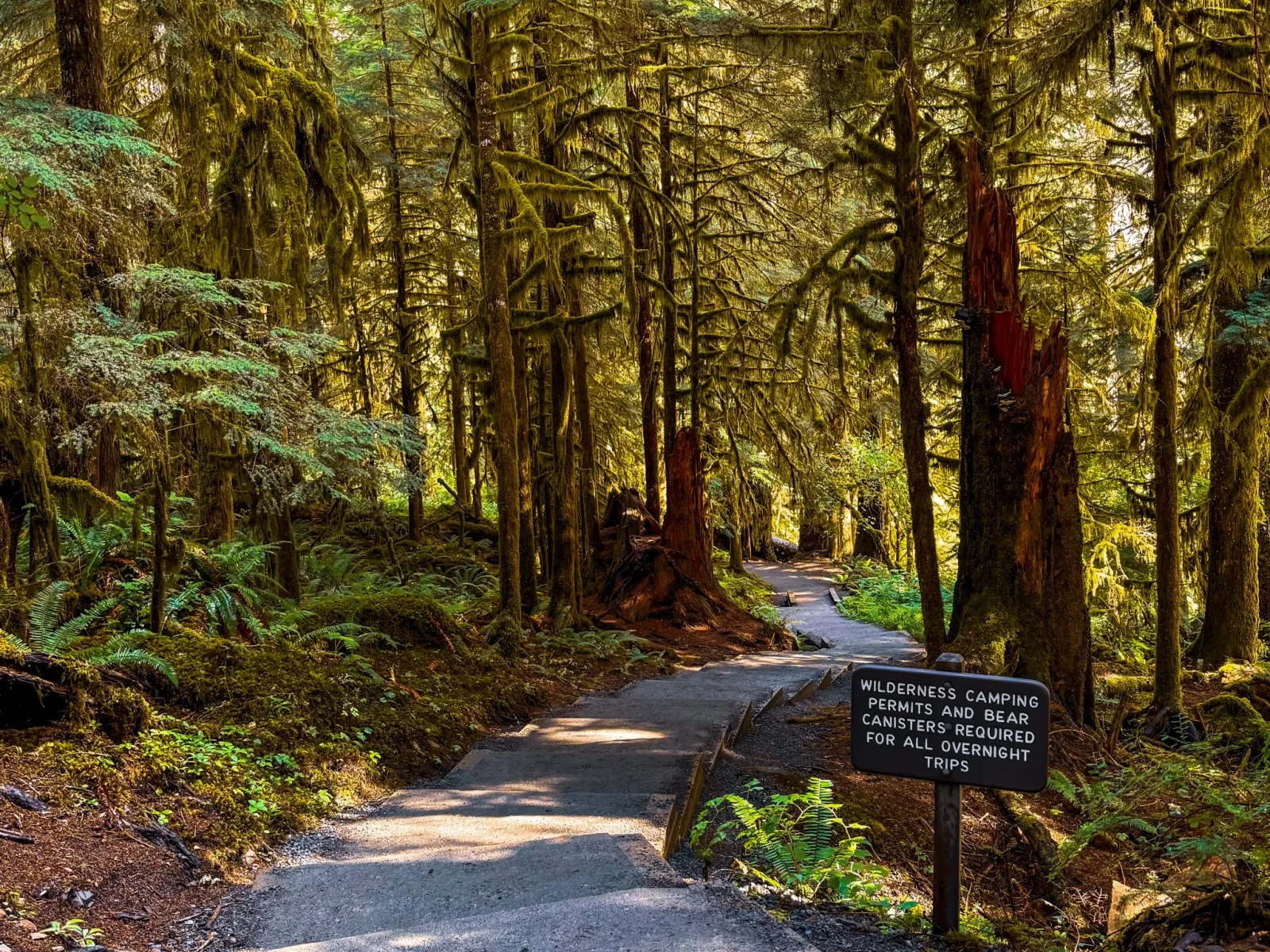
A recent study reveals significant differences in aboveground biomass between the edges and interiors of seven forest patches in West Africa.
Significant Findings on Forest Biomass
A comprehensive study across seven forest patches in West Africa has highlighted a substantial difference in aboveground biomass as researchers found that biomass significantly increases from the exposed edges toward the deeper interiors of the forests. Conducted by a dedicated team and published in the Annals of Forest Science, the investigation focused on unprotected forest remnants located in Togo, Benin, Nigeria, and Cameroon to examine the factors influencing carbon stock in these fragmented landscapes.
Methodology and Study Sites
The researchers conducted field measurements between September 2022 and March 2023, carefully selecting seven diverse sites that included semi-deciduous forests, swamp forests, and moist broadleaf forests. These sites were strategically chosen to cover a range of climatic gradients, with annual rainfall varying from 1,000 millimeters in the drier regions to up to 3,000 millimeters in the wetter equatorial areas. Elevations spanned from mere meters above sea level in low-lying plains to higher plateaus at 700 meters.
Throughout the study, the team created 109 square sample plots, each measuring 50 by 50 meters, ensuring a buffer zone of at least 50 meters between plots to avoid overlap. In total, they cataloged 9,591 trees, measuring their height and diameters, and identified an impressive 369 species.
Results of the Study
The findings indicated that the aboveground biomass within these forest patches ranged from 85 to 259 megagrams per hectare, all of which were lower than the biomass levels recorded in nearby protected reserves. A notable pattern emerged; as researchers moved further away from the forest edges, both tree size and biomass increased significantly. This trend was pronounced in forests surrounded by open landscapes, where factors like wind exposure, drought, and human activities, including fires, harmed the trees' growth along the edges.
Interestingly, the forest patch called Ngam-Kondomeyos demonstrated minimal edge effects due to its high surrounding tree cover, offering more stable conditions for its interior forests.
Implications for Carbon Storage and Conservation
The research sheds light on the crucial role of these smaller forest patches that, despite their fragmented nature, continue to provide vital ecosystem services such as climate regulation, wildlife habitats, and substantial carbon storage. With over 80% of Western Africa's forests cleared since the 20th century, understanding these smaller remnants is essential for conservation efforts.
Furthermore, manual tree inventories and advanced techniques like terrestrial laser scanning were compared during the study. While the laser scanning proved effective at creating detailed structural metrics, the researchers concluded that traditional manual inventories were still essential for accurate assessments of timber volume and carbon stocks in these complex forest environments.
In summary, this study underscores the importance of protecting the remaining forest patches in West Africa. By prioritizing their connectivity and safeguarding them from edge-related deterioration, we can help ensure they continue to function as vital carbon sinks in a world that increasingly pushes further into natural habitats.