Saharan Dust Delivers Bacterial Surprises to the Amazon Rainforest
A recent study finds Saharan dust brings new bacteria to the Amazon, affecting local air quality.
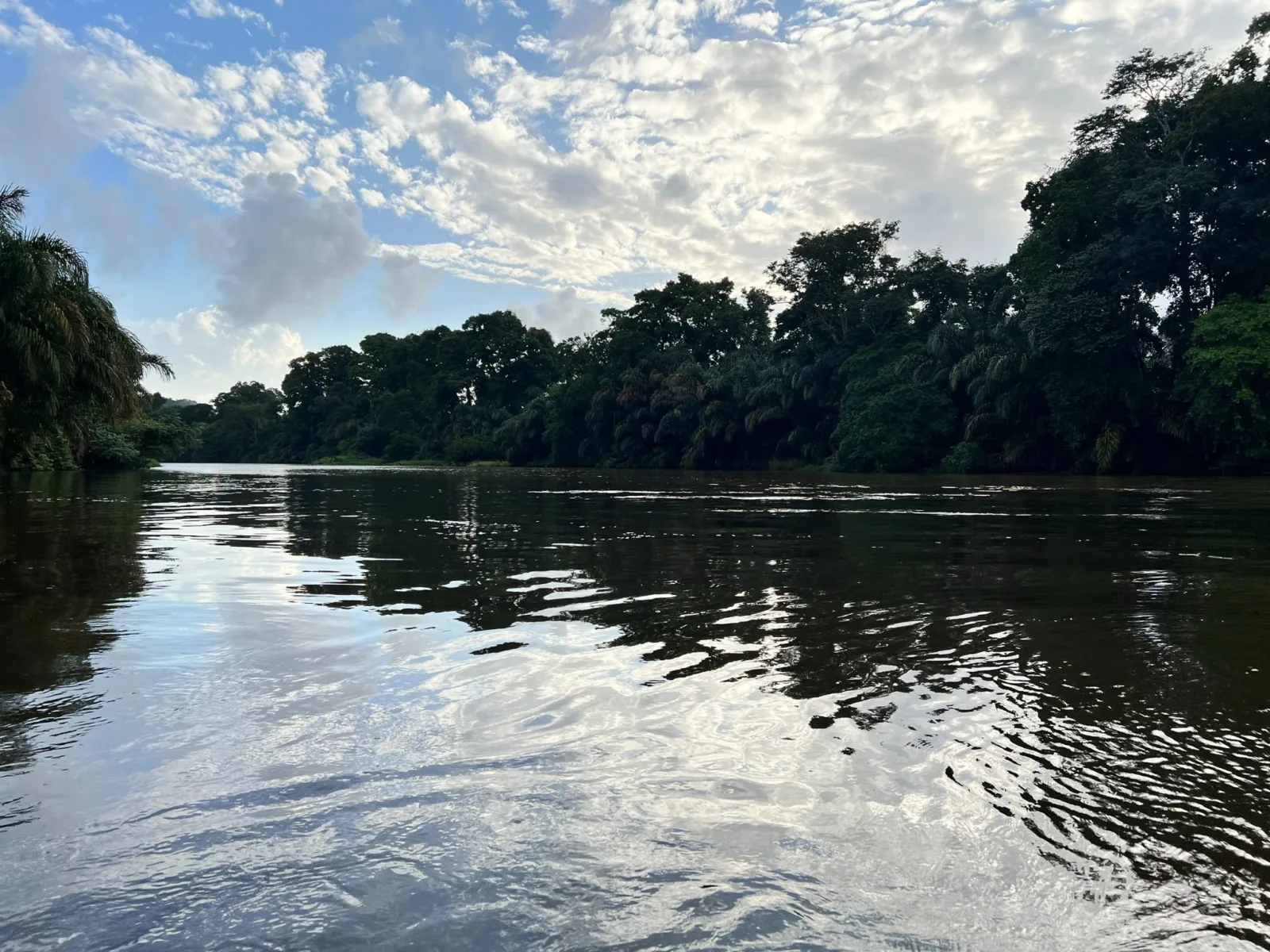
The Amazon rainforest, an icon of biodiversity, seems serene from the ground, but a closer look reveals a bustling ecosystem of tiny life forms, from pollen and fungal spores to bacteria. In February 2020, researchers made a remarkable discovery when Saharan dust swept across the Atlantic Ocean into this lush environment, carrying with it unique bacterial communities that altered the air over the rainforest.
Unexpected Visitors from Afar
Led by Jens Weber and Bettina Weber from the University of Graz, this study brought together experts from the Max Planck Institute for Chemistry and various Brazilian institutions. Their aim was to understand how airborne bacteria change with the introduction of Saharan dust. Samples were collected from the Amazon Tall Tower Observatory (ATTO), which stands 325 meters tall amid the Uatumã Sustainable Development Reserve, making it an ideal location for monitoring atmospheric changes.
Measuring the Impact of Saharan Dust
The journey of dust from the dry lands of Africa is significant, as these regions are the world's largest source of mineral dust, emitting between 11 and 15 teragrams of mineral particles annually. Every year, these dust plumes fertilize the Amazon basin with essential nutrients like phosphorus and iron. However, the specific microbial content of this dust and its effects on the rainforest’s atmosphere were previously uncharted territory.
During this research, high-volume dust filter samplers were installed at two points along the ATTO tower: at 42 meters within the canopy and at 323 meters above it. The team collected samples daily between February 10 and March 2, 2020. Notably, from February 18 to 22, a significant dust event occurred, confirmed by backward trajectory modeling showing air masses originating from North Africa.
Shifts in Bacterial Communities
The analysis revealed a substantial increase in airborne particles, with aerosol mass concentrations surging nearly eightfold during the dust intrusion. This influx dramatically shifted the bacterial communities at both heights. Typically, at 42 meters, bacteria were primarily from local canopy sources, while samples taken from greater heights reflected a mixture of long-range microbial inputs. However, during the dust event, both heights exhibited similar communities shaped by organisms associated with dryland soils and marine environments.
Notably, endospore-forming bacteria from the phylum Bacillota dominated the samples, along with soil genera such as Clostridium and Brevibacillus. Additionally, cyanobacteria known to thrive in arid conditions were detected, reflecting the dust’s transport ability from distant locations.
The Fungal Dimension
In contrast to the striking changes in bacterial communities, fungi remained largely unaffected. The findings highlighted that Basidiomycota, which help decompose wood, consistently represented the majority of fungal sequences at both sampling heights, comprising 93.8% of the recorded sequences, regardless of the dust intrusion. This consistency suggests that local spores may overshadow any fungal contributions from the Saharan dust.
Concerns About Endotoxins
The research's most striking outcome was the observed spike in endotoxins—lipopolysaccharides from Gram-negative bacteria. These compounds increase in concentration during dust events, with notably higher levels recorded at 323 meters post-dust intrusion, rising from 0.45 to 1.27 endotoxin units per cubic meter. The rise in endotoxins correlates with bacterial debris from African soils and marine sources. Significant concerns surround these endotoxins since they can trigger inflammatory responses in humans, raising questions about their impact on local populations residing in the affected areas.
Future Research Directions
This study opens the door to numerous questions about the viability of the bacteria transported over great distances and the potential presence of pathogens. While some opportunistic bacteria, like Staphylococcus, were identified, the study could not determine if they included harmful species. To further explore these findings, the researchers plan follow-up studies focusing on the viability of the sampled microbes.
Published in the journal Communications Earth & Environment, this research underscored the complexity and interconnectedness of ecosystems, highlighting how events thousands of miles away can significantly influence life in the Amazon. As scientists continue to explore these connections, we will gain deeper insights into the delicate balance of our planet's ecosystems.