New Guide for Indigenous Communities on Forest Fund Launching at COP31
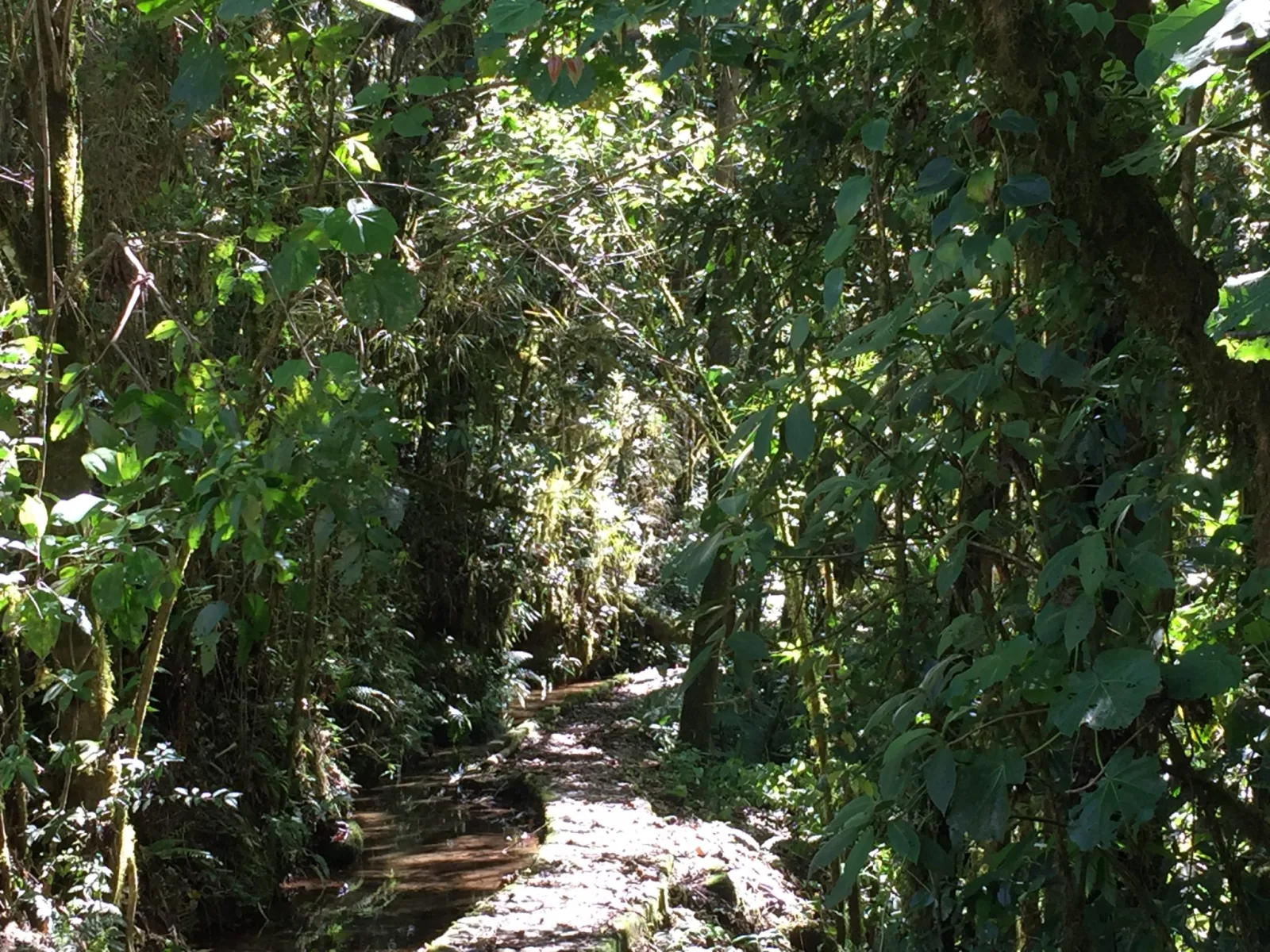
A comprehensive guide for indigenous peoples on the Tropical Forests Forever Facility will debut at COP31 in Turkey.
The 31st United Nations Climate Change Conference (COP31) in Turkey will see the unveiling of a significant resource for indigenous peoples and local communities: a booklet about the Tropical Forests Forever Facility (TFFF).
Empowering Indigenous Communities
Developed by the Climate and Society Institute (iCS), the booklet aims to clarify how the TFFF works and its implications for communities engaged in forest conservation efforts. The publication will be available in both Portuguese and English, ensuring wider accessibility.
The TFFF is designed to direct at least 20 percent of payments received for forest conservation projects in developing countries to indigenous and traditional communities. This funding aims to bolster their autonomy, allowing them to chart their own development courses.
Understanding Governance and Access
As stated by Tatiana Lobão, iCS's manager of change agent engagement and communication, the objective of the booklet is to simplify a complex financial process.
“We want this information to circulate throughout organizations, networks, and communities,” said Lobão. “The information needs to reach people before the rules are finalized. It’s not just about being aware; it’s about having the ability to influence decisions.”
To ensure that the booklet reaches the intended audience, it will be offered for free in digital format and printed copies will be distributed to community networks and organizations closely working with indigenous groups.
Funding Processes Explained
The TFFF booklet outlines two distinct pathways for fund allocation. Countries can choose either to receive payments through a national structure or via a Global Implementing Agency (GIA).
- National Modality: Countries receive the total TFFF payments and are required to designate at least 20 percent to a bank account managed by a National Steering Committee, which includes representatives from indigenous communities.
- Global Implementing Agency: An alternative route where 20 percent of the funds go directly to a GIA, which will then distribute them to designated bank accounts belonging to indigenous and traditional communities.
Lobão emphasized that the effectiveness of the TFFF should not hinge solely on the funds raised, but rather on ensuring that those funds reach the communities directly, minimizing bureaucracy, and respecting local governance.
Significant Fundraising Milestones
On November 11, President Lula announced that the Tropical Forests Forever Facility has successfully garnered USD 7.8 billion from various global partners, with aspirations to reach USD 10 billion by the close of 2026.
It's crucial to note that certain contributions, including Norway's, are predicated on meeting this target and may be withdrawn if not achieved. Additionally, Canada is anticipated to disclose its funding contribution during COP31.
The TFFF introduces a paradigm shift in environmental financing. Instead of relying solely on direct donations or singular projects, it adopts an investment model where funds are channeled into a diversified portfolio of higher-yield fixed-income assets within emerging markets.
The profits derived from these investments will provide financial support to countries with tropical forests that successfully reduce or stabilize deforestation rates, with incentives amounting to USD 4 for each hectare preserved annually.
In total, the TFFF aims to mobilize a staggering USD 125 billion, consisting of USD 25 billion from initial capital and an additional USD 100 billion from institutional investors. As of October 2026, while numerous financial institutions like Allianz Global Investors and Deutsche Bank have shown support for the initiative, actual investment commitments have yet to be finalized.