Impact of El Niño Drought on Papua New Guinea's Forests Unveiled
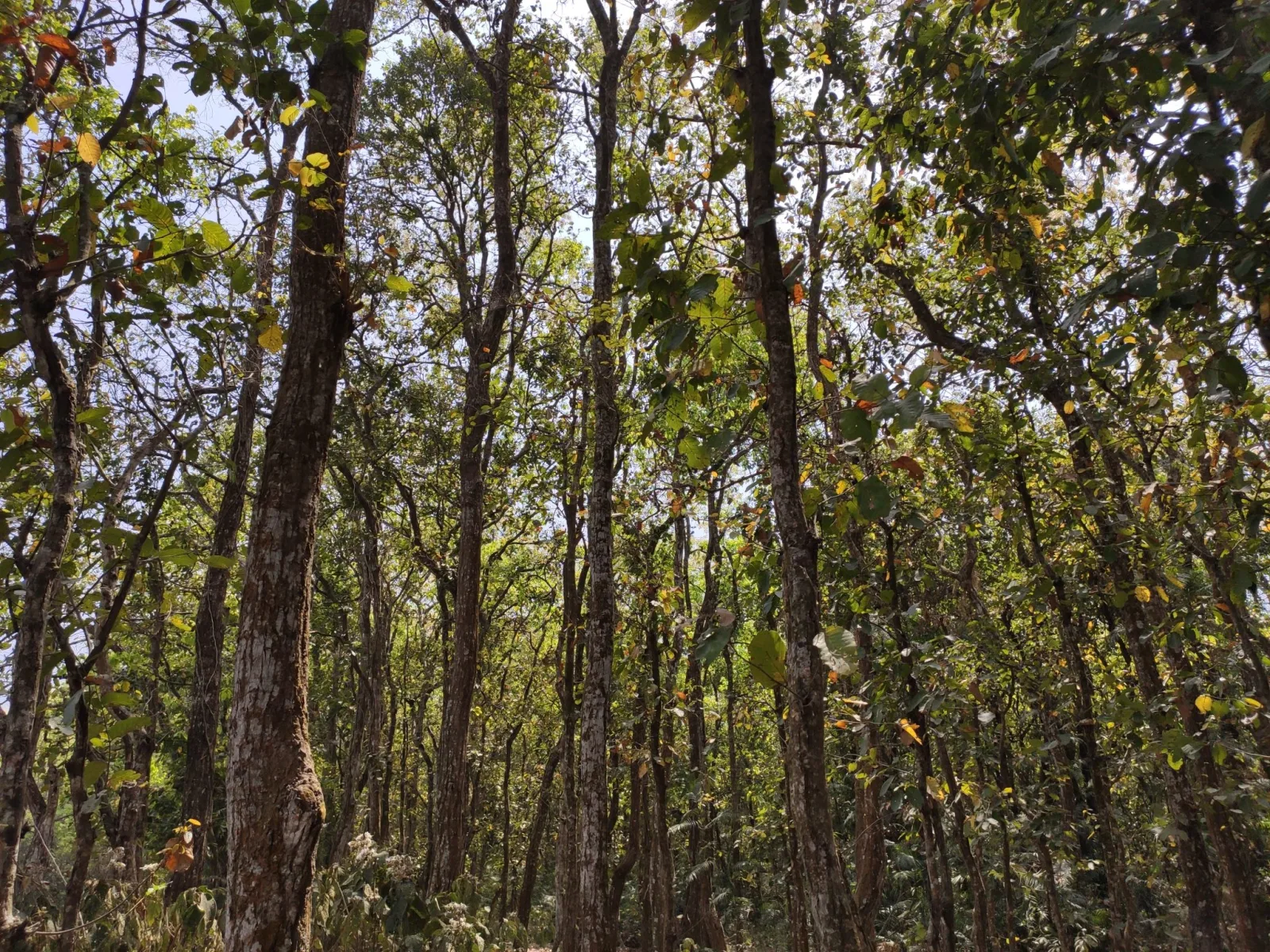
A recent study reveals that tree mortality in Papua New Guinea’s rainforests surged after the El Niño drought, highlighting varied responses among tree species.
A recent study conducted in Papua New Guinea has shed light on the long-term effects of the 2015-17 El Niño drought on the region's forests. Research at a forest dynamics site known as the Wanang Forest has revealed that tree mortality rates significantly increased after the drought concluded, indicating that the effects of drought can persist beyond the dry conditions.
Significant Findings on Tree Mortality
The research involved an analysis of over 21,000 trees within the 50-hectare Wanang Forest Dynamics Plot. Scientists measured tree mortality at three intervals: before, during, and two years following the severe drought. They found notable differences in mortality rates once the drought ended, leading to increased caution regarding forest health in the aftermath of drought conditions.
According to Hayden Wagia, the lead researcher from the Papua New Guinea University of Technology's School of Forestry, "After the drought, we saw a marked increase in tree deaths. That suggests that surviving a drought doesn't guarantee immunity to future problems." This nuanced understanding highlights the delayed impacts that drought can impose.
Uneven Effects Based on Terrain
The study pinpointed how the geographical setting plays a critical role in determining tree health. Trees in the valleys exhibited substantial mortality rates during the drought but managed to bounce back quickly once rainfall returned. Conversely, trees situated on ridgelines experienced a rise in mortality rates after the drought, suggesting a lagged effect.
- Valley Trees: Mortality before the drought peaked at 7.8% and decreased to 4.91% afterward.
- Ridge Trees: Mortality increased from 4.66% pre-drought to 7.07% post-drought.
The researchers speculated that valleys retain moisture better than ridgelines, allowing trees in lower elevation areas to recover more effectively. They believe soil erosion on the ridgelines may also factor into this differential resilience.
Implications for Future Research
With the increasing frequency of droughts due to climate change, understanding the resilience of forest ecosystems becomes vital. David Galbraith, a researcher at the University of Leeds, emphasized the complexity involved in predicting which trees will thrive after drought conditions, stating, "There isn’t a one-size-fits-all response in forestry regarding drought. Every area seems to respond differently."
Additionally, scientists are considering how repeated drought cycles might alter forest composition. If certain tree species display heightened vulnerability to water stress, it could lead to a shift in the overall structure and biodiversity of forests, compounding the challenges faced by ecosystems already under threat from logging and agricultural practices.
German Vargas Gutierrez, a plant ecophysiologist at Oregon State University, highlighted the significance of rainfall during dry seasons: "Even limited rainfall can be critical for maintaining the water balance within the ecosystem. Understanding which tree traits allow for drought resilience will be key in conservation efforts."
Continuing Monitoring Needed
As research continues, experts underscore the importance of ongoing monitoring of these forests to truly grasp the long-term effects of drought. According to Wagia, assessing how drought impacts various elevations within Papua New Guinea will be crucial for developing effective conservation strategies.
This research indicates that the interplay of different environmental factors in forest ecosystems is complex. Greater attention to these relationships could support efforts to safeguard biodiversity in the wake of climate change.