CITES Rescinds Sanctions on Laos, Raising Conservation Alarm Bells
CITES has lifted sanctions on Laos, allowing trade in listed species, but concerns remain about illegal wildlife activities.
The global wildlife trade regulatory body, CITES, has recently decided to lift trade sanctions on Laos, previously imposed due to the nation's inability to curb illegal wildlife trafficking. This decision allows Laos to resume trade of CITES-listed species, including long-tailed macaques, without special restrictions, though it comes with ongoing monitoring conditions.
Background on CITES Sanctions
In 2023, CITES sanctioned Laos after the nation failed to effectively manage criminal networks involved in illegal wildlife trade. The issues included rampant trading of wildlife products and poor regulation of bear bile and tiger farms. At a recent CITES meeting, however, Laos demonstrated notable progress in addressing these concerns, leading to the reconsideration of its status.
Despite the lifting of the sanctions, experts urge caution. Conservationists worry that this might encourage a return to previous practices if Laos does not commit to substantial reforms and enforce stricter regulations against wildlife crimes.
Progress and Continued Oversight
Following the sanctions, Laos showcased its efforts to tackle illegal wildlife trade. According to Somvang Phimmavong, director-general of Laos’ Department of Forestry, the country has made considerable progress in wildlife law enforcement and has conducted inspections in numerous shops implicated in illegal trade.
A joint investigation in 2025 revealed 35 illegal wildlife shops in Laos, though many have since closed. Authorities have acted against these establishments, closing six and detaining multiple foreign nationals. Nonetheless, skepticism remains regarding whether these changes will lead to a long-term reduction in illegal wildlife trading.
Conditions for Resuming Trade
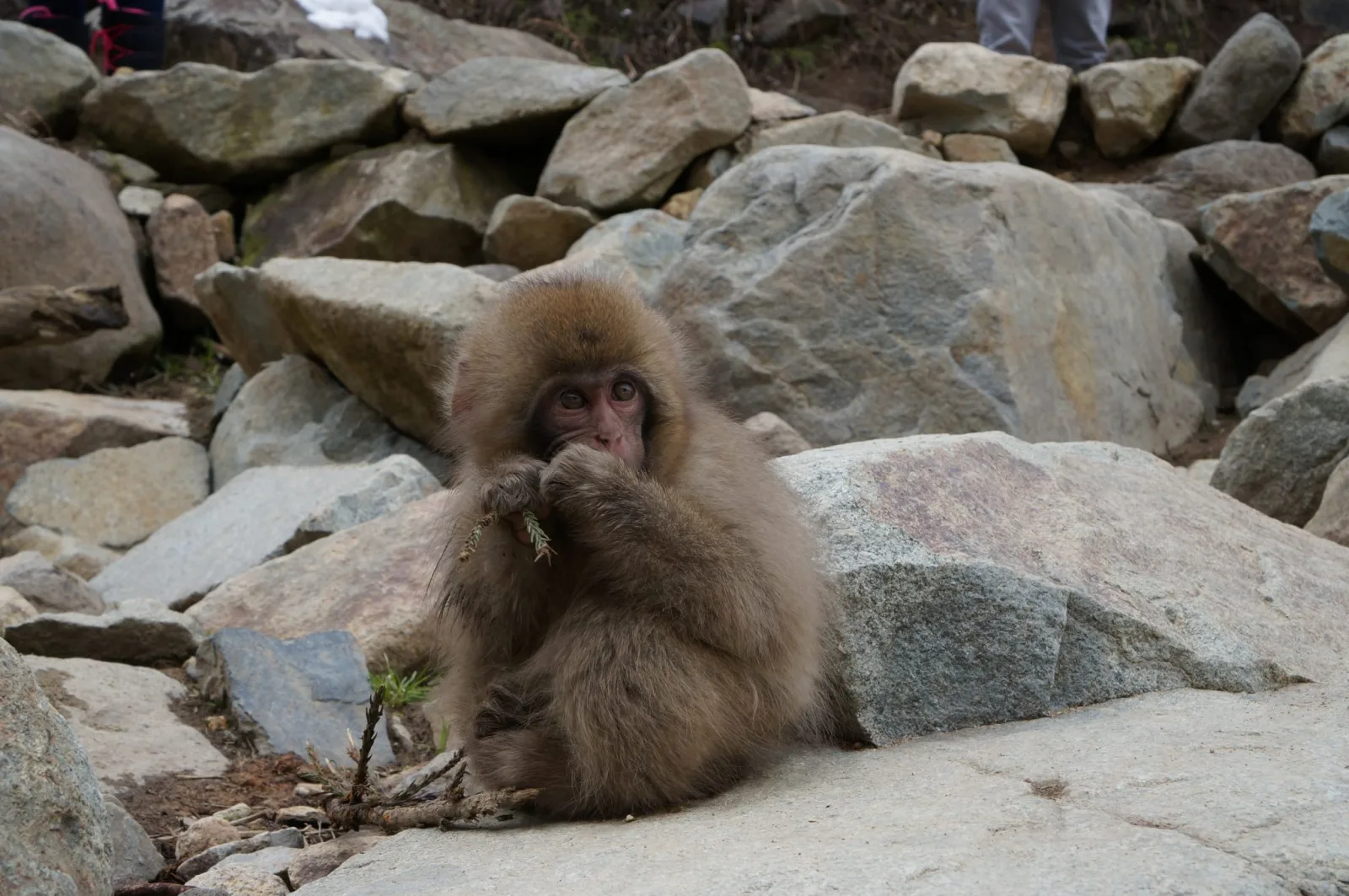
Although trade will be allowed, the CITES committee has set clear guidelines that Laos must follow, especially regarding the trade of long-tailed macaques. These monkeys, crucial for biomedical research, have faced issues of illegal sales disguised as legitimate captive breeding.
In order to resume exports, Laos must implement proper safeguards, including annual export quotas, individual identification of monkeys, and ensure compliance with animal transport requirements. Somvang has emphasized that exports will not be authorized until Laos can meet these criteria.
The Need for Continued Vigilance
Conservationists assert that while Laos has made strides in combatting wildlife crime, the country must not slacken its efforts. Debbie Banks from the Environmental Investigation Agency (EIA) voiced concerns that while progress has been made, the effectiveness of these changes remains questionable. There is a critical need for Laos to go beyond merely addressing low-level traffickers, targeting the higher-up individuals behind these illegal networks.
As Laos continues to navigate the complexities of wildlife trade, many conservation advocates stress that any return to prior practices would undermine the significant gains made thus far. The lifting of sanctions should be seen as a starting point for further accountability and reform, not a signal to revert to past behaviors.
“This lifting of the suspension should signal a new era of accountability for Laos, not just a return to business as usual,” a conservationist expressed anonymously.